
Best Security Upgrades for Landlords in Flats
A tenant rings to say the front-door key sticks, the communal entrance does not shut properly, or a ground-floor window will not lock. These are not small jobs to leave until the next inspection. The best security upgrades for landlords deal with the weak points burglars notice first, while making daily access straightforward for decent tenants.
For most rental properties, better security is not about fitting every gadget available. It is about getting the doors, frames, locks and windows working properly, then choosing upgrades that suit the building, the tenants and the level of risk.
Start with the front door and its frame
The front door is normally the first place to spend money. A good lock on a weak, loose or damaged door is only part of the answer. The lock, door, hinges, frame and keep all need to work together.
For a timber front door, a quality British Standard mortice deadlock can be a sensible upgrade where appropriate. Check the policy wording for the property too, as insurers may specify the lock standard they expect. A night latch can add convenient day-to-day security, but it should not be treated as the only protection on a main entrance door.
On many flats and newer houses, the door has a euro cylinder. Older or basic cylinders can be vulnerable to snapping or drilling. An anti-snap, anti-drill cylinder is often one of the most worthwhile improvements a landlord can make, especially where the cylinder sits proud of the handle or can be easily reached from outside.
Do not overlook the door furniture. A security handle or cylinder guard helps protect the cylinder, while long screws fixing the keep securely into sound timber or masonry can make a real difference. If the frame has split, the hinges are loose or the door will not close squarely, repair that first. A lock cannot perform as intended when the door is moving in the frame.
Best security upgrades for landlords with UPVC doors
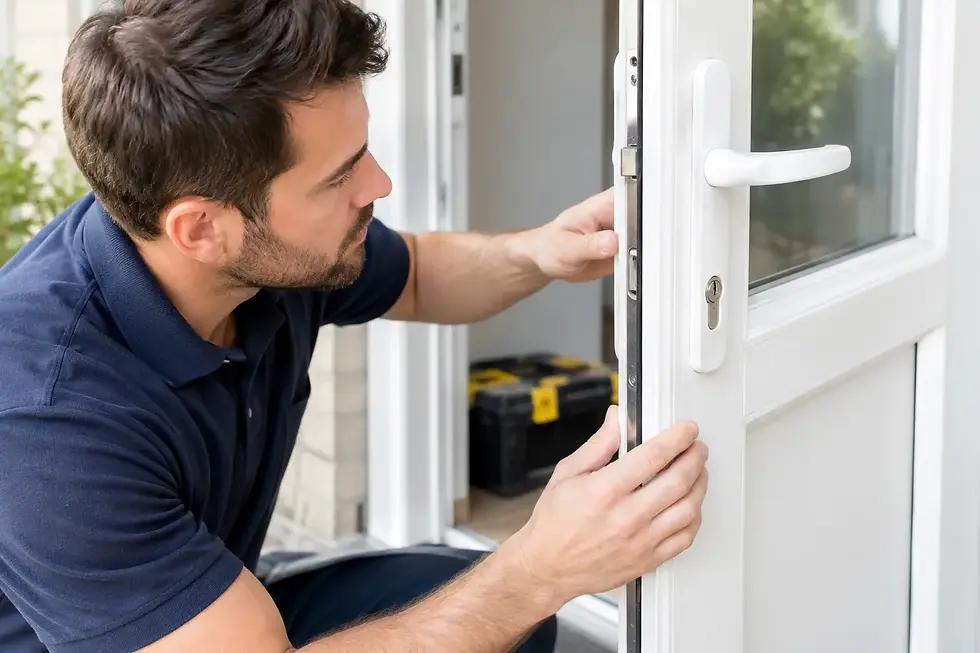
UPVC and composite doors commonly use a multipoint locking mechanism. When working properly, lifting the handle engages several locking points along the door edge before the key turns to lock the mechanism. When it starts to fail, tenants may force the handle, keep using a stiff key or leave the door only partly secured.
Warning signs include a handle that needs excessive force, a key that will not turn after the handle is lifted, a loose handle, or locking points that do not line up with the frame keeps. These faults are often repairable, but delaying them can lead to a complete lockout or a more expensive mechanism failure.
The most useful upgrade may be adjustment rather than replacement. A dropped door can put the mechanism under strain and stop every locking point engaging. A proper inspection should check alignment, the gearbox, the cylinder, the keeps and the condition of the hinges. Fitting an anti-snap cylinder at the same time gives a practical improvement without replacing a door that is otherwise sound.
Bifold doors deserve the same attention. Their locking systems, tracks and alignment need to be right or the doors can become difficult to secure. This is particularly relevant for ground-floor rental homes opening onto gardens or patios.
Secure windows without making them difficult to use
Ground-floor windows, rear windows and windows beside side passages are common targets. A window that is stuck open, has a broken handle or does not fully engage is a straightforward invitation to test it.
Lockable window handles are useful on many UPVC windows, but the whole window should be checked. A failed espagnolette mechanism, worn hinge or poorly aligned sash may mean the handle appears locked while the window remains insecure. For timber windows, purpose-made sash stops or locks can improve security, provided they are fitted properly and the window can still be opened safely when needed.
Any security work must account for fire escape routes. Do not fit a device that traps occupants inside, particularly in a bedroom or flat with limited exits. Tenants should know how to operate any lock quickly, and keys should not be hidden out of reach when they may be needed in an emergency.
Control keys properly between tenancies
A change of tenant is a sensible point to review access. Even where all keys have been returned, you cannot know whether a former tenant, contractor or guest had a copy cut. Rekeying or replacing external door cylinders between tenancies is often cheaper than dealing with a break-in, disputed access or an emergency call-out later.
For a small house or flat, a clear key record is usually enough. Record how many keys were issued, who has them and which locks they operate. Avoid handing out unmarked master keys that open several properties. If you manage multiple lets, a restricted key system can give better control because copies can only be obtained through authorised channels.
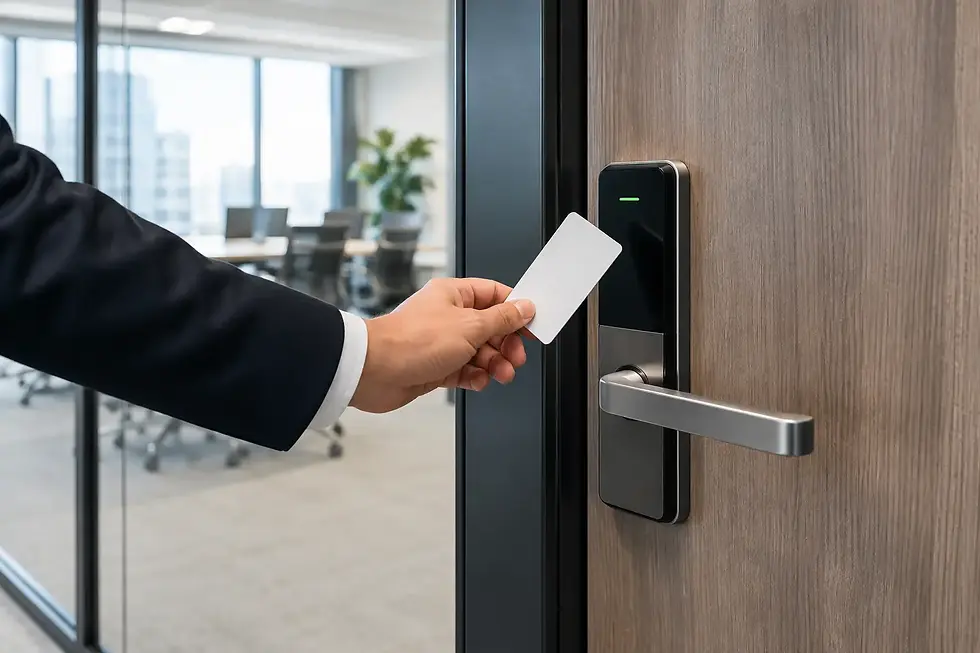
Smart locks and keypad entry can work well in some rentals, particularly short lets or houses with frequent contractor access. They are not automatically the best option for every property. They need dependable power, clear tenant instructions and a backup plan if a code fails or a phone is lost. A well-fitted mechanical lock remains simple, familiar and reliable.
Improve shared entrances and outside areas
In converted houses and blocks, the communal entrance is as important as the flat door. A communal door that is propped open, slams without latching or has a weak closer undermines every upgraded lock inside.
Check that the door closes and latches from every position, that the entry release works properly, and that the closer has not been adjusted so aggressively that residents stop using it. Letter plates should not allow somebody to reach an internal thumbturn or key. Where there is a gap, an internal letterbox guard may be appropriate.
Good external lighting is also a practical deterrent. A well-lit path, side gate and entrance make it harder for somebody to work unnoticed. Trim overgrown shrubs that conceal windows or provide cover around the entrance. These are basic maintenance jobs, but they matter because security is rarely lost through one dramatic failure. More often, it is a collection of small, ignored weaknesses.
Choose upgrades based on the property, not a sales list
Before approving work, walk around the property as somebody trying to get in without a key. Look for a front door with a worn cylinder, a rear gate that does not shut, a window that can be pushed open, poor lighting and signs of forced use around locks or frames.
Prioritise repairs and upgrades in this order:
Doors and locks that do not secure correctly
Ground-floor and easily reached windows
Damaged frames, hinges, keeps and letter plates
Key control at a tenancy change
Shared entrances, gates and lighting
A landlord with a single first-floor flat may need little more than a good cylinder, a working communal door and secure accessible windows. A ground-floor maisonette with a rear garden may justify stronger door protection, window upgrades and improved external lighting. The right work depends on the property, not the size of the invoice.
Act quickly after a break-in or attempted break-in
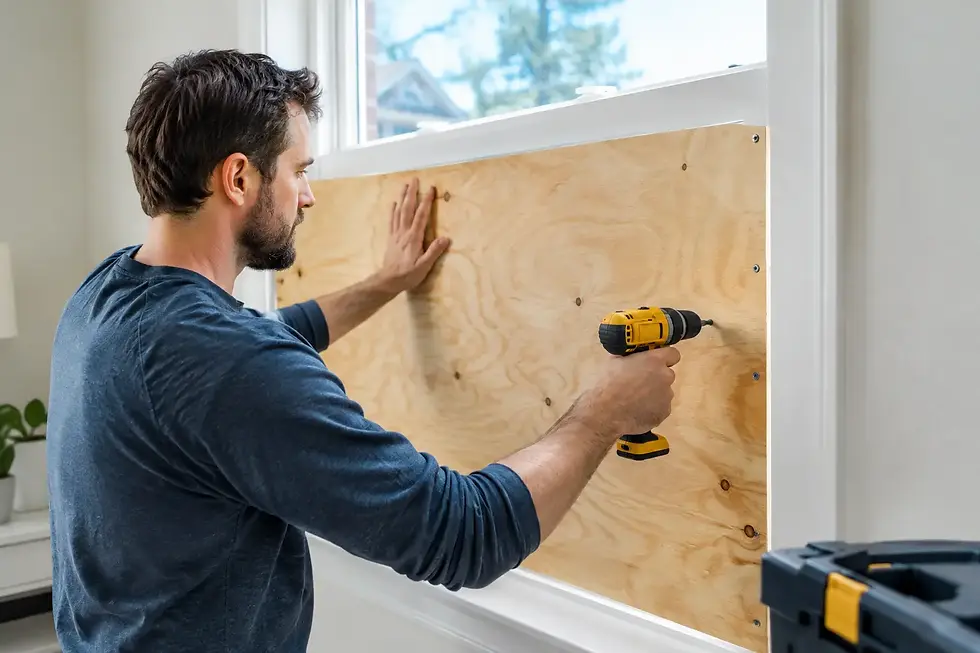
After forced entry, the priority is to make the property secure that day. Boarded or damaged doors, split frames, broken window locks and snapped cylinders should be dealt with promptly, then assessed properly once the immediate risk is under control.
Avoid simply fitting a new lock into damaged timber or a bent frame and calling the job finished. If the keep has pulled away, the door does not sit in the frame or the multipoint mechanism has been forced, the surrounding repair is part of the security work. A fully stocked local locksmith can often repair the lock, door and frame in one visit, which means less disruption for tenants and less time with the property vulnerable.
For landlords in Clapham and surrounding postcodes, it is worth keeping the number of a trusted locksmith before there is an emergency. The best time to choose help is not while standing outside a damaged door at night.
A secure rental should feel ordinary to the people living there: the key turns cleanly, the door shuts first time and the windows lock as they should. That quiet reliability is what protects your tenants, your property and your rental income.
Comments