
Emergency Window Boarding Guide for Homes
A smashed window changes the feel of a property straight away. Whether it followed an attempted break-in, accidental damage or a failed UPVC window mechanism, the priority is simple: make the opening safe, secure it properly and avoid creating a bigger repair bill. This emergency window boarding guide sets out what to do in the first few hours, when a temporary board is suitable, and when you need a locksmith or glazier on site.
First, deal with people and glass
Do not start by reaching through broken glass or trying to force a damaged window shut. Keep children, pets, tenants and customers away from the area. If anyone has been injured, deal with that before the property. If there has been a burglary or criminal damage, contact the police and avoid disturbing obvious evidence where possible.
Wear thick gloves, sturdy footwear and eye protection before clearing loose pieces. Pick up larger fragments carefully and use a brush and pan for smaller shards. A torch held at a low angle can help show glass on floors, sills and nearby furniture. Do not rely on a quick sweep, especially where carpet, doormats or soft furnishings are involved.
If the glass is still partly in the frame, do not knock it out unless it is immediately dangerous. Cracked toughened glass can collapse suddenly into small pieces, while ordinary panes can leave sharp edges in the rebate. A professional can remove it safely and assess whether the frame, hinges, locking points or handles have also been damaged.
Check whether the window can still be secured
A broken pane does not always mean the entire window needs boarding. If the sash is intact, the lock still engages and there is no accessible gap, a temporary internal protective film may be enough until replacement glazing can be fitted. That is more common with a small crack than a fully shattered pane.
Boarding is the sensible choice when someone could reach through the opening, when the window will not close or lock, or when the frame has been forced. Ground-floor windows, rear access points, shopfronts and vacant properties need particular attention. Rain, draughts and opportunistic entry can turn a minor glazing job into a security problem overnight.
For UPVC casement windows, look beyond the glass. A failed espagnolette gearbox, bent hinge, snapped handle or damaged keeps can leave a window open even after the pane is replaced. Bifold doors and French doors can have similar issues around their locking hardware. The temporary boarding should protect the opening, but the underlying fault still needs a proper repair.
Emergency window boarding guide: choose the right board
Exterior-grade plywood is normally the best temporary material. It is stronger and more weather-resistant than chipboard, hardboard or thin MDF. As a practical rule, use plywood thick enough not to flex easily under pressure. Flimsy material may keep rain out for a few hours, but it offers little resistance to a forced entry.
The board should overlap the sound frame, not just cover the missing glass. Measure the opening at its widest and tallest point, then allow enough extra material to fix into solid timber, brickwork or a suitable part of the frame. Do not screw into broken, split or rotten timber and expect it to hold.
There are two common approaches. An external board gives better weather protection and can make the property look secured from the street. An internal board can be less visible and is sometimes preferable where the outer frame is badly damaged or access is unsafe. The right method depends on the window type, the condition of the frame and whether there is a fire-escape consideration.
Never permanently obstruct a required escape route without considering how occupants would leave during a fire. If the damaged window is the only usable escape from a room, speak to a professional urgently and use another security measure where possible. Security repairs should not create a new safety risk.
How to board a broken window safely
If you are confident the frame and surrounding wall are sound, place the plywood over the opening and mark fixing positions in the solid material around the edge. Use appropriate screws and fixings for the surface. For a timber frame, screws should bite into sound timber. For masonry, suitable wall plugs and masonry screws may be needed.
Fix the corners first, then add fixings at sensible intervals around the perimeter so the board sits flat without gaps. Avoid over-tightening screws into UPVC frames. It can crack the profile, damage reinforcing sections or interfere with later repairs. UPVC windows often need a more careful approach than timber frames, particularly after an attempted burglary.
A board should not rattle, bow or leave a hand-sized gap at the edge. Check it from both inside and outside if safe to do so. If the property will be unattended, inspect nearby doors, patio access and other windows as well. Burglars sometimes damage one point of entry but test several others.
Do not use tape as a security repair. Tape may reduce draughts around a small crack, but it will not secure an opening, stop rain for long or prevent access. Likewise, a sheet of plastic is a short-term weather cover, not a boarding solution.
Protect the property while you arrange the repair
Take clear photographs before and after the area is secured. Capture the broken glass, frame damage, any marks around the lock, and the completed temporary board. This can help when reporting criminal damage, speaking to a landlord or making an insurance claim. Keep receipts for emergency work and replacement parts.
Move valuables away from the affected room and close internal doors where possible. If rain is coming in, place towels or a waterproof cover below the opening, but keep water away from electrical sockets, extension leads and appliances. Switch off power to the affected area if water has reached electrical fittings, and seek advice from an electrician where needed.
For business premises, check whether the damage affects stock, alarm contacts, shutters or CCTV coverage. A boarded shop window may be safe enough overnight, but a disabled alarm contact or exposed rear entrance needs separate attention. The aim is to restore the full security of the premises, not merely cover what is visible from the pavement.
When a professional emergency repair is the better option
DIY boarding can be sensible for a straightforward opening if you have the right materials and can do it safely. It is not the best choice when the frame is damaged, the opening is above ground level, the glass is unstable, or the window is part of a specialist system. Poor fixings can cause more damage and may make the final repair harder.
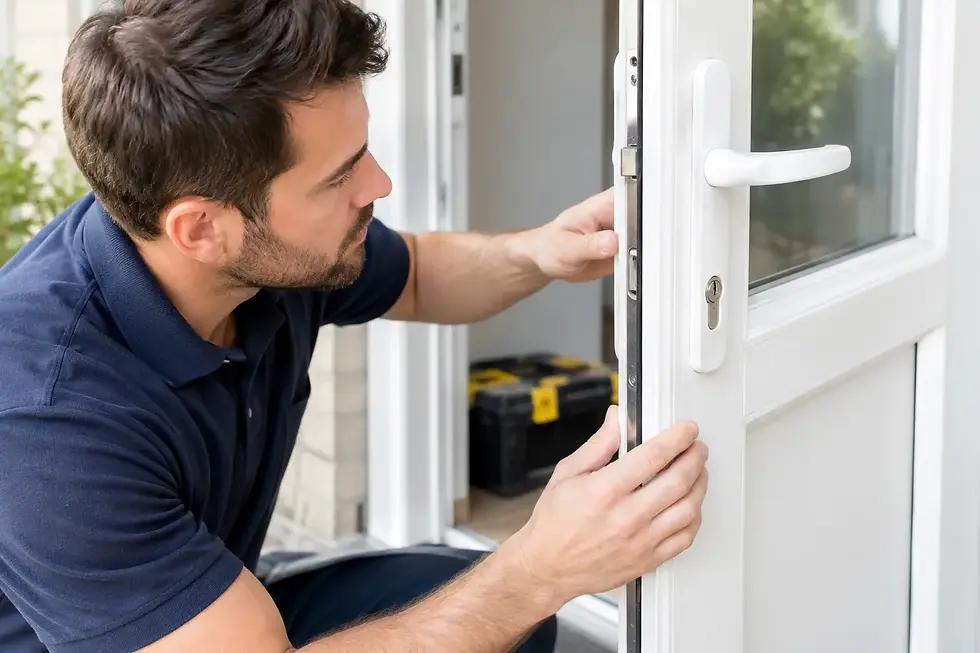
A locksmith with window and door repair experience can secure the property, assess damaged locks and hardware, and identify whether the issue is glass-only or part of a wider forced-entry repair. That matters with UPVC windows, where the visible damage can hide broken locking strips, failed mechanisms or misaligned hinges.
For homes and small businesses in Clapham, Clapham Locksmiths can provide practical emergency security work where a window, door or lock has been damaged. A properly stocked vehicle and hands-on repair experience make a real difference when you need the opening secured on the first visit, rather than left with a makeshift cover and another vulnerable night.
Do not forget the cause of the damage
Once the immediate danger has passed, ask why the window failed. An accidental impact may need only new glazing. A burglary attempt may call for stronger locks, window restrictors, hinge protection, laminated glazing or improvements to lighting and perimeter security. There is no one upgrade that suits every property - a ground-floor rear window has different risks from a first-floor bathroom window.
If you rent, report the damage to the landlord or managing agent as soon as the property is safe, even if you have arranged emergency boarding yourself. If you own the property, do not rush into replacing like for like without checking whether the original window was already weak, poorly aligned or difficult to lock.
A temporary board buys time. The proper job is restoring a secure, weather-tight window that closes, locks and works as it should - so the next evening feels normal again.

Comments