
Euro Cylinder Lock Review for Safer Doors
A euro cylinder can look like a small part of the door, but it is often the first thing a burglar will test. A proper euro cylinder lock review is therefore about more than whether the key turns smoothly. It is about whether the cylinder resists common attack methods, fits the door correctly and works reliably every day.
For many homes and small businesses, changing an old euro cylinder is one of the quickest worthwhile security upgrades. The right one can improve protection without replacing the whole multipoint lock, handle set or door. The wrong one may still leave the door vulnerable, stick out too far from the handle or cause problems with locking.
What a Euro Cylinder Lock Does
Euro cylinders are fitted to many UPVC, composite, aluminium and timber doors. They sit inside the lock case and are operated by a key from one or both sides, or by a key outside and thumbturn inside. When the key turns, the cylinder moves a cam in the centre, which operates the multipoint mechanism or latch.
They are popular because they are replaceable. If keys are lost, a tenant moves out or the lock is damaged, the cylinder can usually be changed without fitting a complete new door lock. That makes them practical, but it also means quality varies widely.
A basic cylinder may be fine for an internal door or low-risk cupboard. On a front, back, side or business entrance door, it is usually a false economy. Security needs to match the location, the door and the hardware around it.
Euro Cylinder Lock Review: The Security Features That Count
The key term most property owners hear is anti-snap. This matters because older or cheaper cylinders can be forced at a weak point, allowing an intruder to attack the locking mechanism behind it. A good anti-snap cylinder is designed to break in a controlled way while keeping the protected part of the lock working and the door secured.
Look for a cylinder independently tested to TS007 3 Star standard or carrying the Sold Secure SS312 Diamond rating. These are widely recognised signs that the cylinder has been tested against common forced-entry methods. A 3 Star cylinder is normally the straightforward choice where you want strong protection from the cylinder itself.
You may also see a 1 Star cylinder. This can be acceptable when it is combined with properly tested 2 Star security handles. Together, the cylinder and handles provide the required level of protection. The important detail is that both components must be suitable. Fitting a 1 Star cylinder behind ordinary handles does not give the same result.
Anti-drill protection is another useful feature. Hardened steel pins or inserts make drilling more difficult. Anti-pick and anti-bump features are also worthwhile, especially on entrance doors, although the overall rating and correct fitting matter more than a long list of sales claims on a packet.
The best choice is not always the most expensive cylinder on the shelf. It is the right size, from a reputable lock manufacturer, with a proven rating and fitted neatly with suitable door furniture.
Getting the Cylinder Size Right
Incorrect sizing is one of the most common problems we see. A euro cylinder is measured from the centre fixing screw hole to each end, such as 35/35, 40/40 or 45/50. The two sides do not have to be equal, particularly on composite doors or doors with thick exterior handles.
The cylinder should sit close to flush with the external handle or escutcheon. A very slight projection can be unavoidable depending on the furniture, but it should not stand proud by several millimetres. A cylinder that sticks out gives someone more to grip and attack. One that is too short can sit recessed, making the key awkward to use and potentially affecting operation.
Measure with the door open. Remove the retaining screw on the edge of the door, turn the key slightly to line up the cam and withdraw the existing cylinder. Then measure from the centre of the screw hole to each end. If you are unsure, it is better to have it checked than to guess. Door thickness, decorative panels, security handles and escutcheons can all change the size required.
Key-Key or Thumbturn Cylinder?
A double cylinder needs a key on both sides. This is often preferred where there is glazing close to the lock, because somebody breaking a nearby pane cannot simply reach in and turn a thumbturn. It can also suit communal or commercial doors where controlled access is needed.
A thumbturn cylinder has a key outside and a turn knob inside. It is convenient in an emergency because occupants can leave without finding a key. It is often popular on family homes, particularly where people may need to get out quickly.
There is no one answer for every property. If a thumbturn can be reached through or around nearby glass, it may reduce security. If a key-operated internal cylinder means keys are regularly left in the lock, that can also create access and safety issues. Consider the door layout, glazing, who uses the building and how the property is occupied.
For some doors, a cylinder with an emergency or override function is useful. This allows a key to operate the lock from outside even if another key is left on the inside. It can prevent a simple mistake from becoming a lockout, but it should still be chosen from a quality range rather than treated as a substitute for good door security.
The Lock Is Only One Part of the Door
A high-security cylinder cannot compensate for a failed multipoint lock, loose handles, a weak frame or poorly fitted keeps. This is especially relevant with ageing UPVC doors, where a stiff handle or key may indicate that the door has dropped out of alignment rather than that the cylinder itself has failed.
Forcing the key when the mechanism is under strain can damage the cylinder and leave the door locked shut. Lift the handle fully, try gentle pressure on the door and avoid using lubricant at random. Oil-based products can attract dirt and make some lock problems worse over time.
A proper assessment should include the handle, lock mechanism, door alignment, hinges and frame. On a commercial unit, it should also consider closing habits, staff access and whether a master-key or restricted-key system would make more sense than multiple ordinary keys in circulation.
When a Basic Replacement Is Enough
Not every job needs the highest-specification cylinder. If you are replacing a lock on a low-risk internal door, or securing a storage room within an already secure building, a standard quality cylinder may be adequate. Landlords may also need to balance budget with the number of doors and the practical need to change locks between tenancies.
That said, entrance doors deserve a higher standard. If the existing cylinder is old, visibly protruding, has no recognised rating or was fitted years ago with basic handles, an upgrade is sensible. The cost difference is usually modest compared with the disruption and expense of burglary repairs.
After a break-in or attempted break-in, do not just replace the visibly damaged part. Check the full door assembly. A damaged keep, split frame, bent multipoint strip or loose handle can leave a new cylinder protecting very little.
Fitting and Everyday Use Matter
Even a well-rated cylinder needs correct installation. The retaining screw must be the right length, the cam must operate freely and the handles should not bind. Once fitted, test the lock with the door open first, then closed. Check that the key enters smoothly, the handle lifts properly and the door locks and unlocks from both sides.
Keep spare keys under control. Avoid leaving labelled keys in vehicles or hiding them outside the property. If keys have been lost with an address, or you do not know who still has copies after a tenancy or building work, changing the cylinder is usually the sensible move.
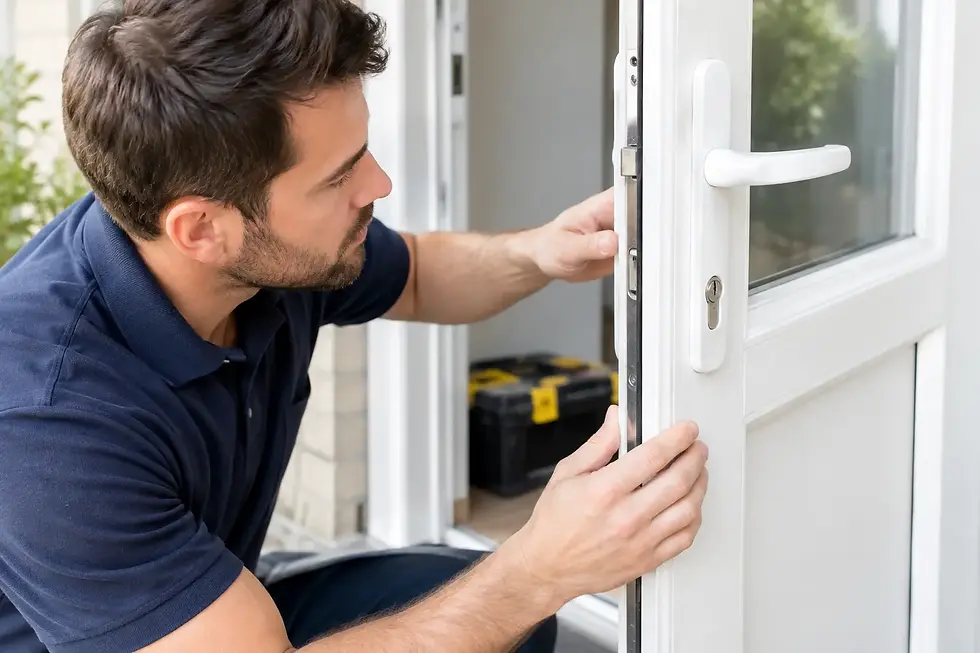
For homes and businesses around Clapham, a locksmith can measure the door, identify the existing hardware and fit an appropriate rated cylinder in one visit. This is particularly useful where the door is already stiff, the lock has failed or the handle and mechanism need attention as well.
The best euro cylinder is the one that suits your door, is fitted to the correct length and gives you a realistic level of protection. If your key is becoming difficult to turn, the cylinder protrudes from the handle or you are unsure what rating is fitted, deal with it before it turns into a late-night lockout or a preventable security problem.

Comments