
Lock Replacement: When Repair Is Not Enough
A key that suddenly turns without opening the door, a cylinder that feels loose, or a lock damaged after a break-in is not something to put off until the weekend. Lock replacement is often the quickest way to make a home, flat or business secure again - but it is not the answer to every lock problem. The right job starts with finding out what has actually failed.
At Clapham Locksmiths, we see plenty of locks that can be repaired properly and plenty that should be changed without delay. A straightforward explanation matters. You should know what is wrong, what work is needed and why, before any replacement is fitted.
When lock replacement is the sensible option
If a lock has been forced, snapped, drilled or badly damaged, replacement is usually the safest route. Even where the door still closes and locks, internal damage can leave it unreliable or easier to force again. After a burglary or attempted break-in, the lock, handle, keeps, door frame and hinges should all be checked. Fitting a new cylinder alone will not solve a split frame or a loose locking point.
Replacement also makes sense when keys have been lost or stolen and you cannot be certain who may have them. This is particularly relevant after moving into a new property, taking over a commercial unit, or following a tenancy change. You may have received every key you were told about, but you cannot know whether previous occupants, contractors or visitors kept copies.
A lock that is consistently stiff, sticking or difficult to operate should be inspected before it fails completely. Sometimes the issue is simple alignment: the door has dropped slightly, the frame has moved, or the keeps need adjusting. On UPVC and composite doors, a worn multipoint locking mechanism can make a perfectly good cylinder seem faulty. Replacing parts unnecessarily costs more and does not address the cause.
There are, however, times when an upgrade is worthwhile even if the old lock still works. Older cylinders may offer limited resistance to common attack methods, while a suitable modern security cylinder can provide better protection. The best option depends on the door, the existing hardware and whether the property has insurance requirements to meet.
Repair or lock replacement? The difference matters
A locksmith should not treat every stiff lock as a replacement job. The lock body, cylinder, handles, door alignment and frame all work together. If one part is out of position, another part can take the strain.
For example, a wooden front door may need the strike plate adjusted or the frame repaired so the bolt enters cleanly. A UPVC door may need its hinges and multipoint mechanism realigned. Bifold doors can develop problems in the handles, locking points or running gear, and the repair needs to take account of how the whole set of doors closes. In these cases, fitting a new cylinder without correcting the underlying fault may only provide a short-term fix.
On the other hand, there is little value in repairing a cylinder that has been compromised by force or is internally worn beyond reliable use. A good tradesperson will explain the trade-off clearly: repair what can be made sound, replace what cannot be trusted.
Signs you should call sooner rather than later
Do not wait until you are locked out if you notice any of the following:
The key only works if you lift, pull or push the door hard.
The handle drops, spins or feels unusually loose.
The key is difficult to remove, turns roughly or catches inside the lock.
The door will not lock properly from inside or outside.
There are signs of attempted forced entry, including marks around the cylinder, handle, frame or letterbox.
These symptoms do not always mean an emergency, but they can become one quickly. A lock that fails while the door is open is inconvenient. A lock that fails when you are trying to leave for work, close a shop or secure the property at night is a different matter.
Choosing the right lock for the door
There is no single “best” lock for every property. The right replacement depends on the door type, the existing fitting, how the property is used and the level of security required.
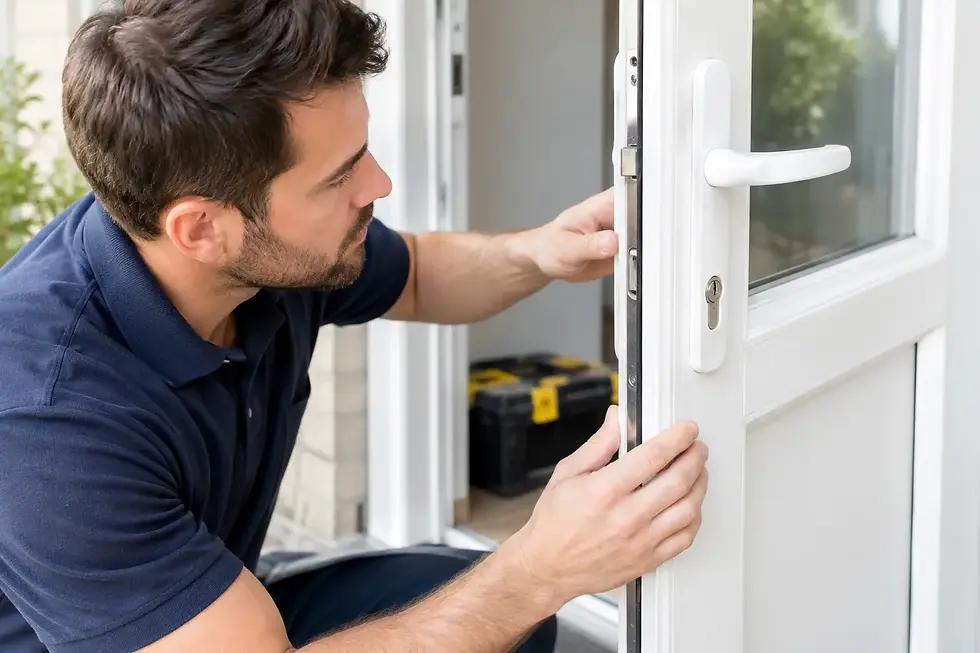
Many UPVC, composite and aluminium doors use a euro cylinder with a multipoint locking system. The cylinder can often be changed separately, but it must be the correct size and fitted properly. A cylinder that protrudes too far from the handle may be more vulnerable to attack. The operation of the full multipoint mechanism also needs testing once the new cylinder is installed.
Traditional timber doors may use a mortice lock, a night latch, a rim cylinder or a combination of these. For a main entrance, the lock choice should suit the construction and condition of the door and frame. A strong lock fitted to weak timber, loose hinges or a damaged keep is not a complete security solution.
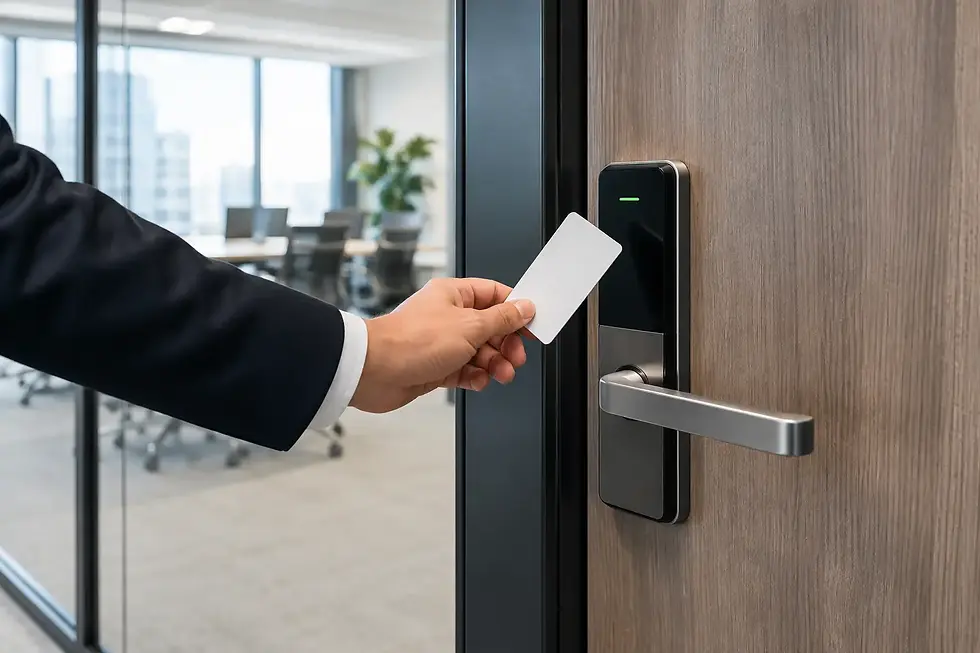
Commercial premises bring other considerations. A shop, office or communal entrance may need restricted key control, replacement after staff changes, or a practical arrangement for several authorised users. Security must work day to day as well as on paper. A lock that is difficult for staff to operate correctly tends to be left unsecured.
If insurance requirements are a concern, check your policy wording or ask your insurer what standard is needed for your specific door. A locksmith can advise on compatible options, but the policy itself is the final reference point.
What happens during a professional replacement
A proper visit begins with an assessment, not a guess. The locksmith checks how the door closes, whether it is aligned, the condition of the handles and frame, and whether the lock is damaged or simply affected by another fault. This is especially useful after a forced entry, where visible damage is sometimes only part of the problem.
If replacement is needed, the old lock is removed with care and the new one is matched to the door and hardware. The locksmith should test it from both sides, check that the key turns smoothly, and make sure any multipoint locking system throws and retracts properly. On a wooden door, the bolt or latch should enter the keep without scraping or needing pressure on the door.
Fully stocked vehicles make a genuine difference here. They allow a locksmith to deal with common cylinder sizes, mortice locks, handles and security hardware on the first visit, rather than leaving a property unsecured while parts are sourced. Some specialist mechanisms or unusual finishes may need ordering, but the immediate priority is always to leave the door safely secured.
After a burglary, think beyond the lock
A replacement lock is essential after many break-ins, but it may not be the whole repair. A damaged door frame, warped door, broken handle, bent hinge or faulty multipoint mechanism can leave a weak point behind. Letterboxes and nearby glazing may also affect the overall security of the entrance.
This is where practical joinery and door repair experience matters. A local locksmith who can assess the lock, door and frame together can often prevent the need for separate callouts. The aim is not to sell extra work. It is to make sure the door shuts, locks and stands up properly once the job is done.
A sensible approach to keys and access
When a lock is changed, decide who genuinely needs a key before copies start circulating. Landlords may need a controlled set for maintenance, while businesses may need to account for staff, cleaners and contractors. Keep a simple record where it is useful, and avoid leaving labelled spare keys in obvious places.
For shared properties, agree how lost keys will be handled. Replacing a lock every time one key goes missing is not always necessary, but it can be the right call where the key could identify the address or where access cannot be accounted for.
A lock should not be a source of daily worry. If your door is difficult to secure, has been damaged, or no longer gives you confidence, get it checked while the problem is still manageable. The right repair or replacement leaves you with a door that closes cleanly, locks properly and lets you get on with your day.
Comments