Locked Out of House Locksmith Advice
It usually happens at the worst time. You step outside to put the bins out, the door clicks shut, and your keys are sitting on the hall table. In that moment, what you need is not theory - you need locked out of house locksmith help that gets you back in quickly, without damage and without guesswork on price.
A proper emergency locksmith should be able to tell you, in plain English, what the likely next step is based on the type of door, lock and fault. Sometimes it is a simple non-destructive opening. Sometimes the issue is not the key at all, but a failed euro cylinder, a jammed night latch, a misaligned composite door or a UPVC mechanism that has given up. That is why experience matters. If the person arriving only knows basic lock picking, they can struggle the moment the problem turns out to be a failed door mechanism rather than a standard lockout.
What a locked out of house locksmith actually does
Most people think a lockout job means opening a shut door with specialist tools and leaving things as they were. Often that is exactly the case. If the lock is healthy and the keys are simply inside, a skilled locksmith will usually aim for non-destructive entry first.
But real callouts are often messier than that. Keys snap in the cylinder. Doors drop slightly and stop latching properly. Older wooden doors swell in damp weather. UPVC doors can deadlock with the handle lifted and then refuse to retract. On newer doors, the issue may be with the multi-point strip rather than the key barrel itself. A decent locksmith does not just open the door - he works out why you are locked out and sorts the fault if needed, ideally in the same visit.
That matters because gaining entry is only half the job. If the lock or mechanism is already failing, you do not want to be standing on the pavement again a day later with the same problem.
What to do first when you are locked out
Before you call anyone, take a breath and check the obvious. If there is another way in that is safe and legitimate, such as a back door you know is unlocked, that may save you time. If you live with someone else, call them before arranging a callout. If you rent, it may be worth checking whether the landlord or managing agent has a spare key, though many do not keep one for obvious reasons.
What you should not do is force the lock, lean hard on the handle, or start trying internet tricks with cards, wire or screwdrivers. Those methods rarely work on modern locks and often turn a straightforward opening into a repair job. A slipped card is no match for a proper deadlatch, and attacking a euro cylinder can quickly leave you with a broken lock, a damaged door and a larger bill.
If there is a child inside, a hob left on, or any immediate safety concern, say so straight away when you ring. That changes the urgency of the call.
How a locksmith gets you back in without making a mess
The best result is always non-destructive entry. That can mean picking, decoding, bypassing or using the right method for the specific lock and door. The approach depends on what is fitted and what state it is in.
A simple night latch on a timber door is a very different job from a high-security anti-snap cylinder on a composite door. Likewise, a stiff UPVC door with a failed gearbox is not really a picking job at all. It may need access gained and then parts replaced. This is where fully stocked vans make a real difference. If the locksmith has common cylinders, night latches, mechanisms and fixings on board, the problem can often be dealt with there and then.
There is always a trade-off between speed and preserving hardware, but a good locksmith will explain the options before doing anything that changes the lock. If drilling is genuinely necessary, you should be told why.
Choosing a locked out of house locksmith without getting stung
When people are stuck outside, they are easy targets for vague pricing and poor workmanship. That is why it helps to ask a few direct questions. Ask for the callout charge, whether VAT is included, and what happens if parts are required. Ask how long they expect to take to arrive. Ask whether they deal with your type of door, especially if it is UPVC, composite or bifold.
Be wary of anyone who will not discuss price structure at all, or who promises a suspiciously low figure before seeing the job and then adds extras on site. Lockouts vary, so no honest tradesman can quote every possible final cost over the phone, but they should be able to give a sensible starting point and explain what may affect it.
Local knowledge helps too. A family-run locksmith covering Clapham and nearby postcodes is more likely to know the common door setups in the area, arrive when they say they will, and stand by the work afterwards. That local accountability matters more than flashy adverts.
Why some lockouts turn into repair jobs
A lot of emergency lockouts are really fault calls in disguise. The customer thinks the key is the problem because the door will not open, but the real issue sits deeper in the mechanism.
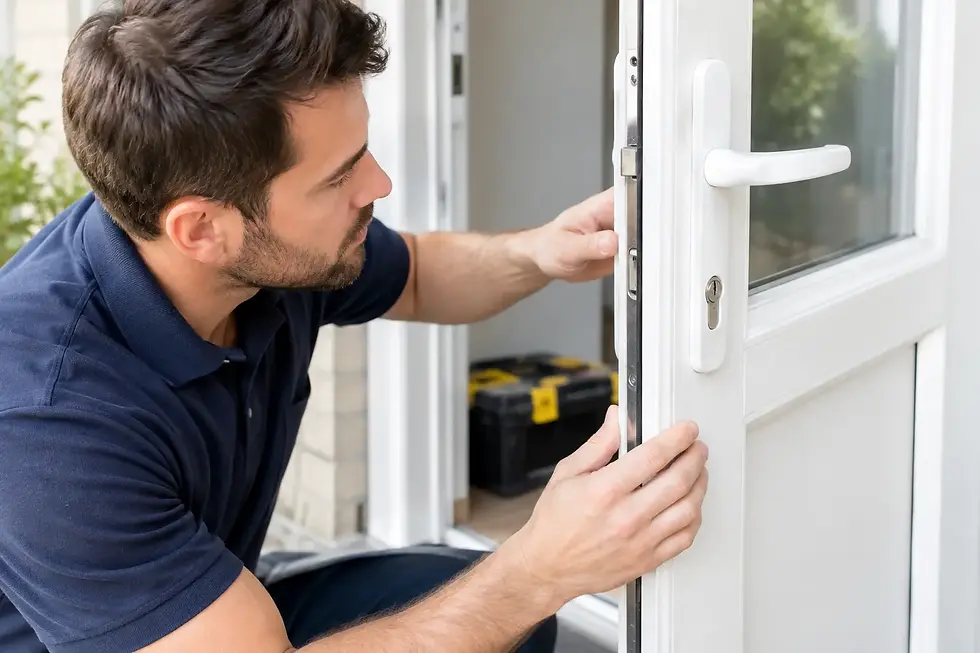
With UPVC and composite doors, handle movement can feel wrong long before complete failure. Sometimes the key turns but nothing happens. Sometimes the handle lifts but the hooks do not retract. On timber doors, a worn rim cylinder or tired night latch may work one day and fail the next. On communal entrance doors and some flat doors, alignment problems can also make the lock seem broken when the door is actually binding against the frame.
This is why it pays to use someone who can handle lock replacement, mechanism repairs and door adjustment, not just emergency entry. If the locksmith can realign the door, replace the failed part and test the whole setup before leaving, you are far less likely to have a repeat problem.
Lost keys, stolen keys and when to change the lock
Not every lockout needs a new lock. If the keys are simply inside the property and then recovered, replacement may not be necessary. But if your keys are lost outside, stolen, or taken along with anything showing your address, changing the lock is usually the sensible move.
This does not always mean replacing everything. In many cases, the cylinder can be changed while the rest of the hardware stays in place. That keeps cost down while restoring security. The right choice depends on what type of lock you already have and whether the existing setup is worth upgrading while the job is being done.
There is no point fitting a bargain-basement cylinder after a lost-key incident if the door really needs a better anti-snap option. Equally, not every property needs the most expensive lock on the market. Good advice should be practical, not sales-driven.
If you are a tenant, landlord or small business owner
The right answer can differ depending on who is responsible for the property. Tenants should check the terms of their tenancy if possible, but in a genuine emergency speed tends to come first. Landlords need reliable attendance and clear paperwork, especially if the property is vacant or between lets. Small business owners often need help outside standard hours and may need shutter, rear access or internal office doors dealt with as well as the main entrance.
For commercial premises, a lockout can also mean lost trading time. In those cases, the fastest fix is not always the cheapest immediate option, but it may be the best value overall if it gets the business operating again quickly.
After you are back inside
Once the stress has passed, take a minute to prevent a repeat. If the lock felt stiff before the incident, get it checked rather than hoping for the best. If the door has dropped, have it adjusted. If you have one working key left, get spares cut before that turns into another emergency.
And if the whole episode exposed a weak point in your security, deal with it while the problem is fresh in mind. That could mean a better cylinder, a repaired frame, reinforcement, or attention to a troublesome window or back door. Clapham Locksmiths sees plenty of jobs that start as a lockout and end with a more dependable door than the customer had before.
Being locked out is stressful, but the fix should be straightforward. The right locksmith gets there fast, explains the job properly, and leaves you with a door that works as it should - not just one that happens to be open again.
Comments