Burglary Repair Planning Guide for Safer Homes
A break-in leaves more than a damaged lock. You may be facing a door that will not shut, a smashed window, missing keys, a frightened family or tenants who cannot safely stay in the property. This burglary repair planning guide sets out what to deal with first, what can wait until daylight, and how to make sure a quick repair does not become a weak long-term fix.
Make the property safe before planning upgrades
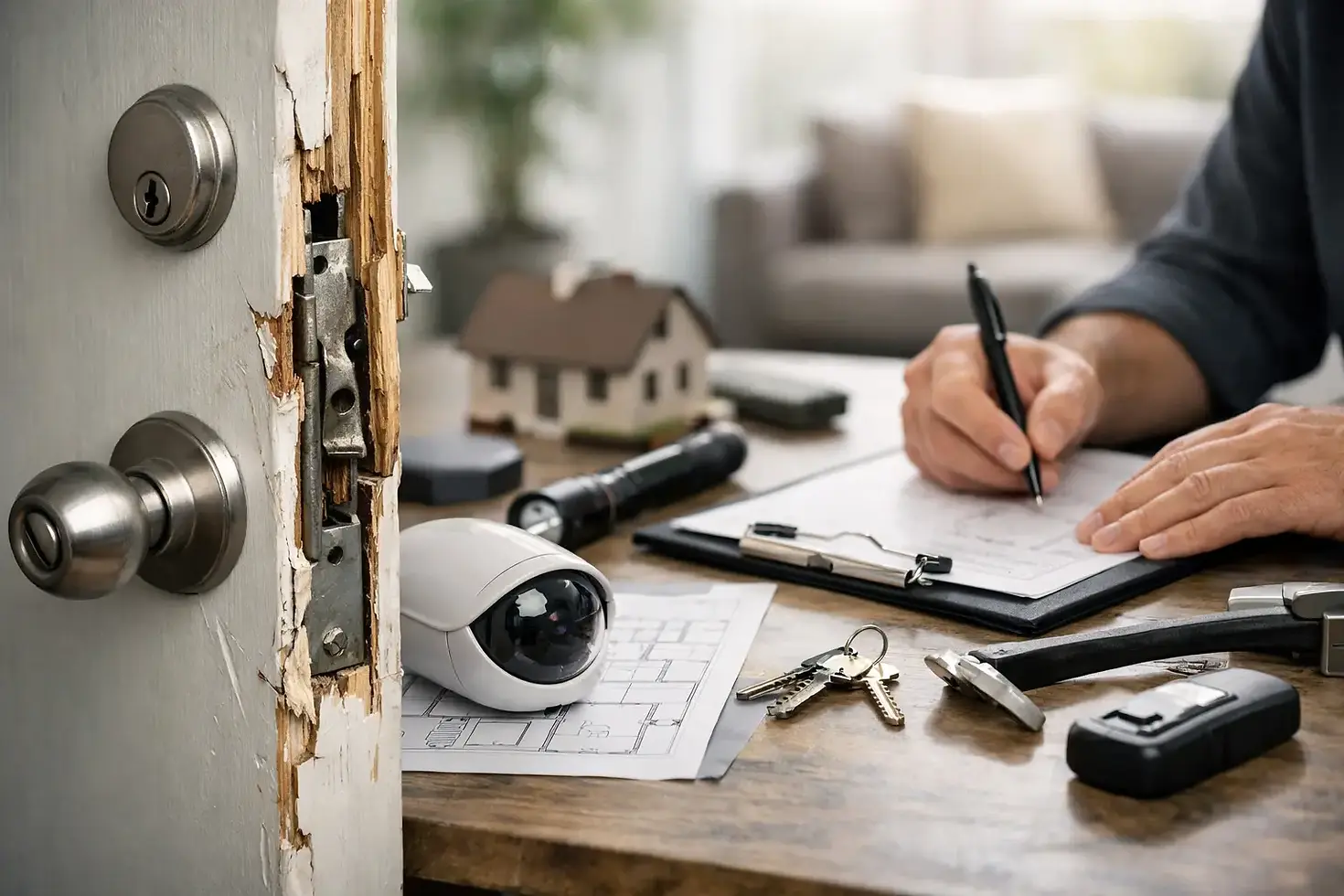
If there is any chance the offender is still nearby, or anyone has been hurt, call the police and do not enter the property. Once the police have confirmed it is safe, avoid touching damaged doors, windows, handles, locks and any items that may be relevant to their investigation. Take clear photographs of the damage from inside and outside, including close-ups of broken cylinders, frames, glazing and tools or marks left behind.
The immediate priority is to secure every accessible opening. That usually means the point of entry, but burglars sometimes leave another door or window unlatched while leaving. Check ground-floor windows, rear and side doors, garage access, communal entrances and any door that has been forced but still appears to lock.
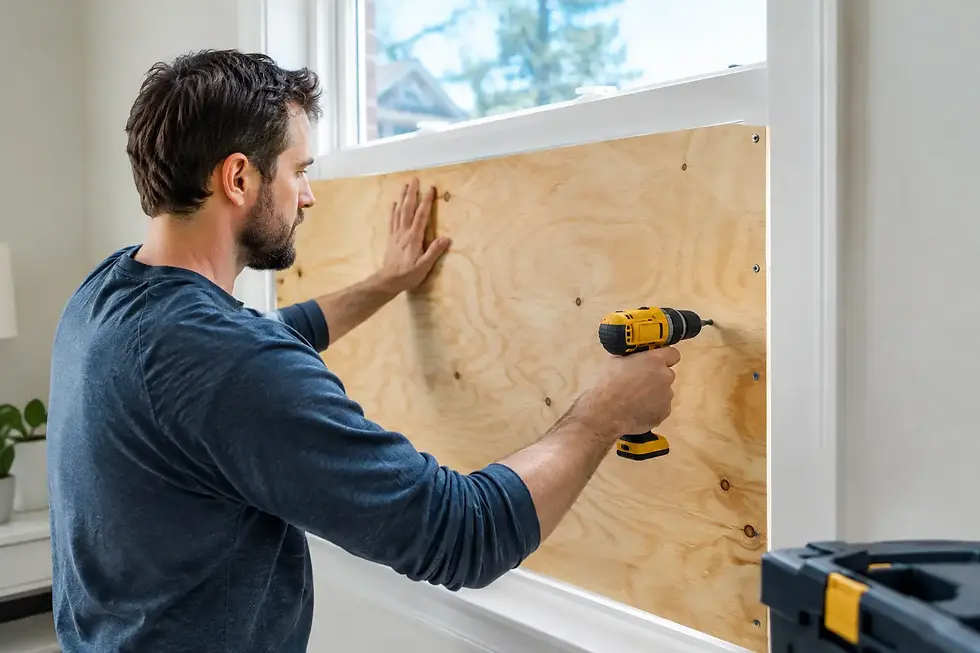
A locksmith can often make a property secure on the first visit by replacing failed locks, fitting temporary boarding where required, repairing door hardware and securing windows. A fully stocked vehicle matters after a burglary because the right cylinder, multipoint lock part, sash jammer, hinge protection or door furniture may be needed straight away. A temporary board or lock may be the right emergency measure, but it should be followed by a proper repair rather than left as the permanent answer.
Do not assume a locked door is secure
A damaged lock can sometimes be turned with a key after an attempted forced entry, yet still be vulnerable. A loose cylinder, split timber around a keep, bent strike plate or cracked UPVC handle can all reduce the strength of the door. If keys have been stolen, replacing the lock should be treated as urgent even if there is no visible damage.
For landlords and business owners, this also applies where keys have gone missing during the incident. You cannot know who has access to them or whether the address can be identified from documents taken from the property. Rekeying or replacing the affected locks is normally the sensible route.
Record the damage in the right order
Before repairs begin, gather the information that will help with a police report and any insurance claim. Photograph the scene, make a written list of damage and note stolen items as accurately as you can. Keep invoices for emergency work, replacement locks, boarding and follow-up carpentry.
Speak to your insurer before authorising major replacement work where practical, particularly if a whole door, frame or window unit needs replacing. Emergency securing work should not be delayed if the property is exposed, but it is worth asking what evidence they need and whether they have requirements around lock standards. Policies vary, and the cheapest replacement may not meet the conditions of your cover.
If you rent your home, tell your landlord or managing agent promptly. A tenant should not be left with an insecure entrance while waiting for a decision about responsibility. Secure first, then establish the longer-term repair and payment arrangement. For commercial premises, document any stock loss and check shutters, rear service doors and staff access points as well as the obvious damage.
Burglary repair planning guide: repair the whole weak point
The best post-burglary repair is not always a like-for-like replacement. It depends on how entry was gained, the condition of the existing door or window, your budget and whether the property needs to meet insurer requirements. The aim is to remove the weakness that was used, not simply cover the visible damage.
Front and rear doors
On a timber door, the lock may be sound while the frame, keep or surrounding timber has split. Replacing only the lock in that situation can leave the same weak point in place. A proper repair may involve rebuilding damaged timber, fitting a stronger keep or strike plate, using longer fixings into sound material and checking that the door closes squarely.
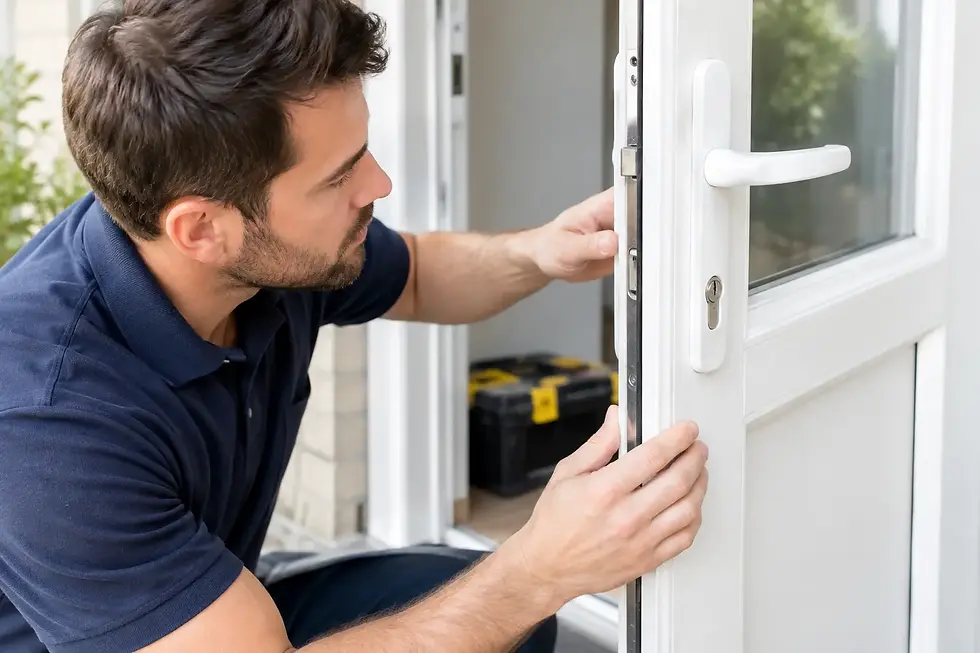
On a UPVC or composite door, forced entry can damage the euro cylinder, handle, gearbox or multipoint locking strip. The door may drop on its hinges or the hooks and rollers may no longer line up with the frame keeps. These parts need assessing together. Forcing the handle or repeatedly trying the key can turn a repairable fault into a failed mechanism.
Where lock replacement is required, ask whether an anti-snap cylinder and a suitable British Standard lock option are appropriate for the door and insurance policy. The correct choice depends on the lock type and the door construction. A good locksmith will explain what is needed and why, without selling upgrades that do not solve a real problem.
Windows, patio doors and bifolds
A broken pane is obvious, but damaged window locking points and handles are easily missed. Check whether the sash closes tightly, whether the espagnolette mechanism engages and whether hinges have been bent or pulled away. UPVC windows may need new handles, locking mechanisms, hinges or reinforcement rather than full replacement.
Sliding patio doors and bifold doors deserve a careful inspection after an attempted break-in. Their locking systems rely on correct alignment. A door that is difficult to slide, lift or close can prevent the lock engaging fully. Repairs may involve the lock, rollers, track, hinges, handles or frame adjustments, so avoid treating it as a simple key-and-lock job.
Decide what needs doing now and what can be phased
Emergency work should make the building secure, weatherproof and usable. Permanent improvements can then be planned once the immediate shock has passed. Separating the job into stages often makes costs easier to manage, provided the property is genuinely secure between visits.
The first stage is usually replacement of compromised locks, repair of doors and frames, boarding or glazing arrangements, and securing windows. The second stage might include reinforcing a rear door, replacing tired hardware, improving letterbox protection, adding window locks or repairing alignment problems that have been ignored for years.
Do not overlook lighting, side gates and visibility around the property. These are not substitutes for sound locks and frames, but a dark rear access route, loose gate latch or concealed side passage can make an opportunist's job easier. Small practical changes can make a difference when combined with solid physical repairs.
Choose repairs that fit how the property is used
A family home, rented flat and small shop do not have exactly the same needs. A homeowner may prefer a stronger cylinder and repaired frame with matching door furniture. A landlord may need a durable, easy-to-maintain solution that allows safe access for future tenants. A business may need restricted key control, stronger rear-door protection or repairs that minimise trading disruption.
For flats, consider the relationship between the private entrance door and the communal building security. Changes to a shared entrance, fire door or common area may need approval from the managing agent or freeholder. Fire safety must not be compromised by fitting unsuitable locks or additional bolts to a designated escape route.
In Clapham and the surrounding SW postcodes, many properties have a mix of older timber doors and newer UPVC, composite or bifold systems. That is why it helps to use someone who can deal with locks, doors, frames and window mechanisms rather than treating every burglary repair as a standard lock change.
Ask clear questions before the work starts
You should be told what has failed, what repair is proposed and whether it is a temporary or permanent solution. Ask if the frame, hinges, keeps and alignment have been checked, not just the visible lock. If a lock is being upgraded, ask what standard it meets and whether the fitting is suitable for your door.
Keep the paperwork once the job is complete. An itemised invoice, photographs and details of the locks fitted may help with insurance, future maintenance and any discussion with a landlord or managing agent. Test every repaired door and window before the tradesperson leaves: lock it, unlock it, open it and close it. The door should engage properly without lifting, forcing or slamming.
A burglary is upsetting, and there is no prize for making every decision that same evening. Get the property secure, preserve the evidence, then repair the actual weakness properly. That gives you a safer door or window to come back to, rather than a rushed patch that leaves you worrying every time you turn the key.
Comments