
When to Change Locks After Burglary
The front door still shuts, but it does not feel the same. After a break-in, that is often the part people notice most - not just the damage, but the feeling that the property has been compromised. If you need to change locks after burglary, the short answer is usually yes, but the right fix depends on how entry was gained, what was damaged, and whether the existing lock can still be trusted.
A burglary is not always a case of a smashed cylinder and an obvious replacement job. Sometimes the door frame has split, the keep has been torn loose, the mechanism has been forced, or a window lock has been attacked instead. That is why a proper post-burglary repair is about more than swapping one lock for another. The lock, the door, the frame and the surrounding fittings all need to be looked at together.
Should you change locks after burglary straight away?
In most cases, yes. If a lock has been snapped, drilled, forced or otherwise defeated, it should be replaced rather than left in service. Even if it still turns, internal damage can leave it unreliable. A weakened lock may fail later or give less resistance if someone tries again.
There is another reason to act quickly. You do not always know exactly how access was gained. If keys were taken during the burglary, or if there is any chance they were copied before, changing the locks is the sensible move. The same applies if a rear door, side gate, internal office door or shared entrance was involved. Security is only as strong as the point that was used.
That said, it does depend on the incident. If the burglar entered through a broken window and the door locks were untouched, you may not need every lock in the property replaced. You may only need the vulnerable points repaired and the overall security reviewed. A good locksmith will tell you what actually needs doing, rather than turning every call-out into a full upgrade job.
What to check before you change locks after burglary
The obvious damage is only part of it. A lock can be replaced in half an hour, but if the door frame is bowed or split, the new lock may never sit properly. On timber doors, the strike area often takes more force than people expect. On UPVC and composite doors, the issue may be inside the multipoint mechanism rather than at the cylinder alone.
Start with the way the door closes. If it catches, drops, needs lifting or no longer lines up cleanly with the frame, the problem may be structural as well as mechanical. Check whether the handle feels loose, whether the key turns smoothly, and whether there are signs of movement around the keeps and hinges. A lock that is technically new but fitted to a damaged door set is not a proper repair.
Windows matter too. Burglars do not always choose the front entrance. Ground-floor windows, side returns, French doors and bifold doors can all be targeted, especially where locking points are already worn or misaligned. If one access point was exploited, it is worth checking others while the job is being done.
Repair or replacement - what is actually needed?
This is where experience matters. Some locks clearly need replacing. A snapped euro cylinder, a drilled night latch or a distorted mortice lock is not worth trying to save. Other times, the lock body is fine and the real issue is the frame, door leaf, gearbox or keeps.
For example, with many UPVC doors, the cylinder may be the part that failed under attack, but the forcing can also damage the central case or throw the door out of alignment. On a wooden front door, the night latch may still work, but the frame may be split around the staple. In that case, changing the lock alone will not restore security.
Commercial premises can be trickier again. A shop front, office rear entrance or communal door may have panic hardware, access control, shutter locks or restricted key systems involved. After a burglary, there is often pressure to get open again quickly, but temporary security should not become a permanent compromise. The best approach is usually to make the entry point secure immediately, then decide whether a like-for-like replacement or an upgrade makes more sense.
Choosing the right lock after a break-in
Not every replacement is an upgrade, and not every upgrade is necessary. The right choice depends on the door type, the use of the property and the method of attack.
If the burglar snapped a cylinder, fitting another basic cylinder is false economy. A better quality anti-snap cylinder is the obvious answer. If a night latch was bypassed and the door has no deadlock, adding one may be worthwhile. If the door itself is weak, stronger locking alone may not solve the real issue.
That is why post-burglary work often includes reinforcement as well as lock replacement. London properties, especially older conversions and busy rental homes, can have a mix of old timber doors, newer UPVC units and repairs layered over years. What suits one entrance may not suit another. The aim is simple: make forced entry harder, make the lock reliable, and make day-to-day use straightforward for the people who live or work there.
A decent locksmith should also ask practical questions. Who needs keys? Is the property rented? Is there a cleaner, contractor or former tenant with access? Does the rear door get used daily or only occasionally? Security has to work in real life. A lock that is awkward or temperamental soon gets ignored, wedged open or left only half-used.
Burglary repairs are not just about the lock
One of the biggest mistakes after a break-in is treating it as a single-part problem. The damaged cylinder gets changed, everyone breathes out, and the split frame, bent keep or loose hinge is left as it is. That may be quicker in the moment, but it is not the same as making the property secure again.
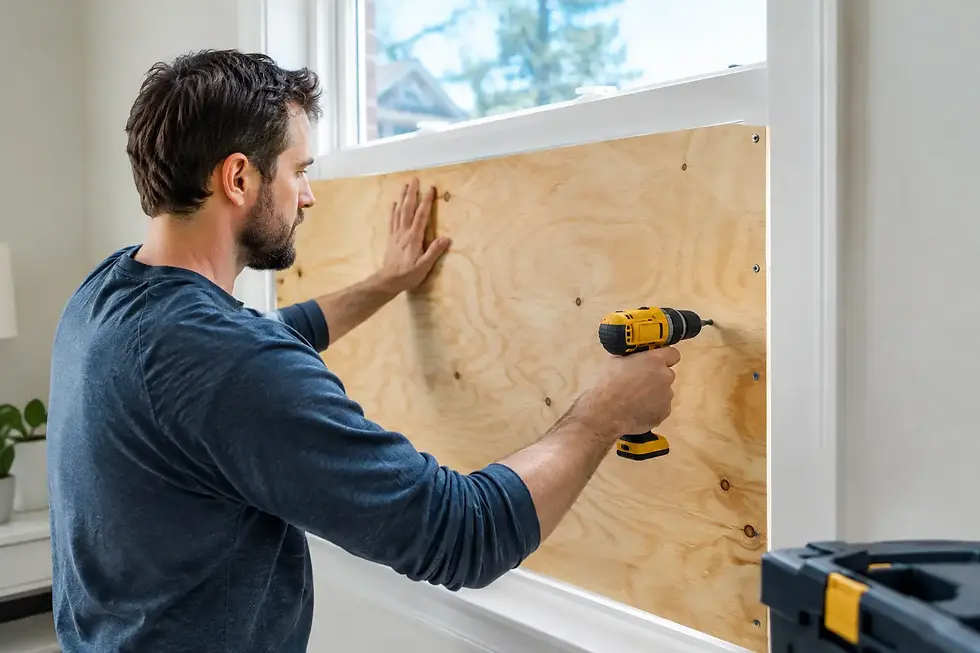
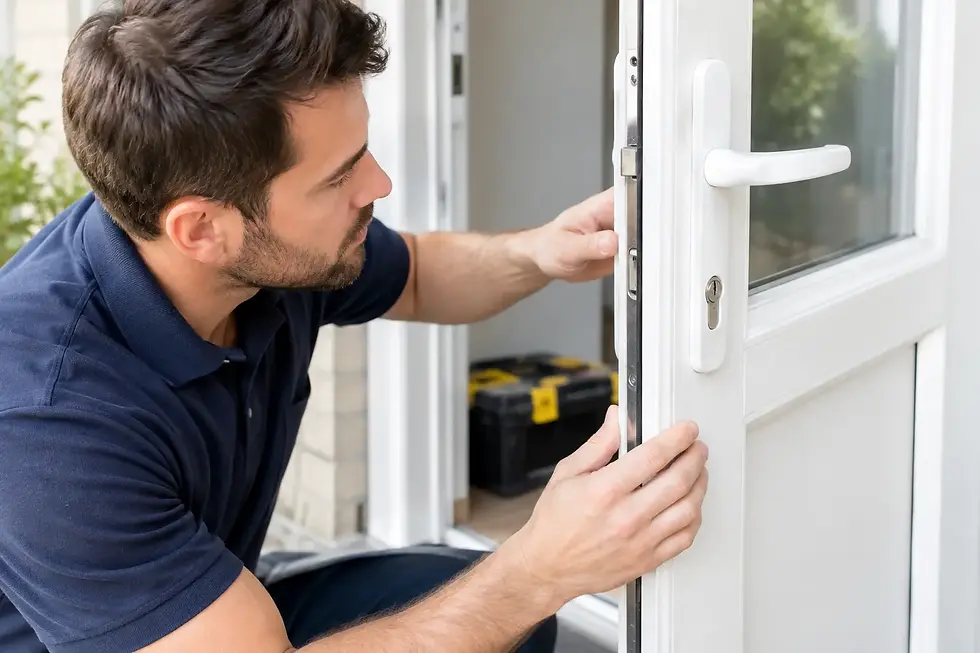
A proper burglary repair can involve lock replacement, frame repair, door realignment, new keeps, hinge work, boarding, window lock repair or reinforcement of weak areas. On some jobs, especially with UPVC doors or bifolds, the mechanism needs specialist attention that a general handyman is unlikely to get right first time.
This is where a fully stocked, practical service makes a difference. If the tradesman can deal with the lock and the surrounding repair on the same visit, you avoid the stop-start of making one point secure and waiting days for someone else to sort the rest. For anyone dealing with a family home, a tenanted property or a business that needs to reopen, that matters.
What if there are no visible signs of forced entry?
You should still take it seriously. Some burglaries happen through insecure doors or windows rather than outright forced entry. Sometimes a lock was left vulnerable by wear, poor fitting or previous damage. Sometimes a key has gone missing and only becomes an issue later.
If there has been unauthorised access and you cannot fully account for keys, changing the locks is the safe option. If the lock is old, stiff or already unreliable, this is usually the time to deal with it properly rather than put it off. After a burglary, peace of mind is part of the job as well. People need to know the property is secure when they close the door that night.
For landlords and small businesses, speed matters
If you manage a rental property or run a small premises, a burglary creates two problems at once: security and interruption. Tenants want reassurance, and rightly so. Staff need to know the building can be locked properly. Insurance and police reporting may be under way, but the practical side cannot wait.
In those cases, clear advice is worth more than sales talk. Sometimes the answer is an urgent replacement and a temporary make-safe. Sometimes it is a same-day repair with a better lock fitted there and then. Sometimes the right recommendation is broader, especially if the break-in exposed weak rear access, poor window security or a tired door set that has been causing trouble for months.
For local properties in places like Clapham, where flats, houses and small commercial units can all have very different door types, there is no single standard fix. The useful approach is a quick assessment on site, honest advice and getting the vulnerable point sorted properly.
After the new lock is fitted
Once the immediate repair is done, take a few minutes to think beyond the damaged door. Check side gates, shared entrances, basement access, sash or casement window locks, and any secondary doors that might be easier targets next time. If the burglary happened because a door was already dragging or failing to lock cleanly, deal with that sort of problem early in future. Most forced-entry jobs are easier where something was already not quite right.
If the property has been shaken by a break-in, keep the next step simple. Make the entry point sound, make sure the lock is suited to the door, and do not ignore the frame, window or mechanism around it. Changing the lock is often necessary, but feeling secure again usually comes from getting the whole repair done properly.
Comments