
Can Locksmiths Cut Keys Onsite? What to Expect
You are standing outside your front door, late for work, with no spare key and no useful way back in. Or perhaps a tenant has lost a set, a shop needs an extra key before opening, or a key has snapped in the lock. The immediate question is simple: can locksmiths cut keys onsite? In many cases, yes. A properly equipped mobile locksmith can cut common keys at your property and get access, replacement or extra copies sorted in one visit.
There are limits, though. Some keys need specialist authorisation, a code card or an order from the manufacturer. The right answer depends on the lock, the key type and whether there is a working key available to copy.
Can locksmiths cut keys onsite for any lock?
Most everyday door keys can be cut onsite. Mobile locksmiths carry key-cutting equipment and a range of blanks in their vehicle, alongside locks, cylinders, tools and repair parts. This is why a local locksmith can often deal with a lockout, replace a failed lock and provide new keys without sending you to a high-street key cutter.
Standard Yale-type keys, euro cylinder keys and many mortice lock keys are usually straightforward, provided the right blank is available. If you have one working key, it can normally be copied quickly. If no key is available, a locksmith may be able to make a key by reading the lock or by fitting a new lock with new keys. Which route makes sense depends on the condition and security of the existing lock.
The job becomes more involved with restricted, patented or specialist keys. These are designed to prevent unauthorised copies. A locksmith may need the key code, security card or proof that you are entitled to request a duplicate. Some high-security key systems can only be ordered through the manufacturer or approved supplier, so they cannot always be produced while the locksmith is at the door.
That is not a dead end. If you need access urgently, the locksmith can still assess the lock and explain the quickest secure option, which may be opening the door non-destructively, changing the cylinder or arranging the correct key to follow.
What a locksmith needs to cut a key at your property
Onsite key cutting is not just a matter of having a machine in the van. The locksmith needs to identify the key profile accurately and check that the new key will work safely in the lock. A poor copy can stick, turn roughly or damage an already worn mechanism.
Where there is an original key, it is used as the pattern. The locksmith selects the correct blank, cuts it, then tests it carefully. If the original is worn or bent, copying it exactly can repeat the problem. An experienced locksmith will spot this and may adjust the cut or recommend replacing the lock rather than creating a key that is likely to fail.
If the key has broken, bring every piece you can find. A clean break may still give useful information, but the locksmith will need to inspect the lock itself. Do not push the broken part further into the keyway with a screwdriver, wire or glue. That can turn a simple key extraction into a damaged lock repair.
For rented homes and commercial premises, proof of authority may be needed before keys are cut or locks are changed. This protects the occupier, landlord and business. A reputable locksmith will be clear about what they need to see, particularly where access to a shared building, office or stock room is involved.
The key types that may need ordering
Some keys are deliberately harder to duplicate. Restricted keys may carry a unique profile that ordinary blanks cannot match, while patented systems can require a registered card before copies are released. Certain older keys are also difficult, simply because the blank is no longer commonly stocked.
Vehicle keys are a separate matter. A modern car key may need programming to communicate with the vehicle, not just cutting to match the ignition. This requires specialist diagnostic equipment and is not the same service as cutting a replacement house key.
Safe keys can also be specialist. Depending on the safe and its lock, cutting a key may require an exact code, manufacturer support or a different method of opening. If a safe has failed, forcing it is rarely the sensible first move. It can cause expensive damage and may put the contents at risk.
Keys for communal entrances, master-keyed buildings and managed blocks need particular care. A copy might physically fit but undermine the building's access control if issued without permission. If you are a landlord or managing agent, keeping a clear record of who receives keys is as important as getting the duplicate made quickly.
When replacing the lock is the better option
Cutting another key is useful when the lock is working well and you simply need a spare. It is not always the best answer after a lost key, a burglary or repeated lock trouble.
If keys have been stolen with anything that identifies your address, changing the external lock cylinder is usually the safer choice. The same applies if you have moved into a property and do not know who may still hold copies. A new cylinder normally comes with a fresh set of keys, giving you a clean start without replacing the whole door lock.
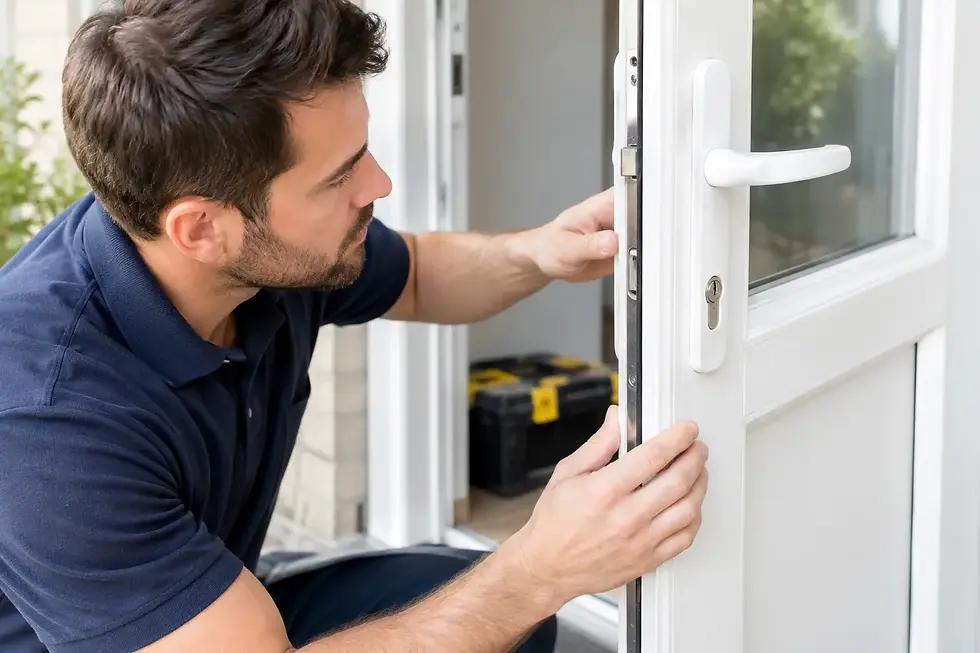
A key that only works after jiggling, lifting the handle repeatedly or turning it with force may point to a lock or door alignment issue. On UPVC and bifold doors, the fault may lie in the multipoint mechanism, handles, hinges or keeps rather than the key itself. Cutting copies before finding the cause can waste time and money.
A locksmith should explain this plainly. There is no benefit in fitting more parts than the job requires, but there is also no sense in leaving a worn or insecure lock in place because a new key happens to turn it for the moment.
How long does onsite key cutting take?
For a common key with a suitable blank available, cutting and testing a duplicate can take only a few minutes. During an emergency callout, it will usually form part of the wider job: gaining entry, checking the lock, making sure the door closes properly, then supplying the keys you need.
More time may be needed if the lock is damaged, the door is out of alignment or the key type needs identifying. Restricted keys and uncommon blanks can require an order, which means the locksmith should give you a realistic timescale rather than promising an instant fix they cannot deliver.
For Clapham homes, flats and small businesses, a fully stocked local locksmith vehicle makes a real difference. The aim is not simply to cut a key at the kerb. It is to leave you with a door that locks properly, keys that work smoothly and a clear understanding of what has been done.
A few sensible steps before the locksmith arrives
If you have a working key, keep it somewhere safe and do not attempt to file or reshape it. Take a clear photo of both sides if you need to discuss the key over the phone, but avoid posting close-up images publicly. For an urgent lockout, have identification or evidence connecting you to the property ready where possible.
Tell the locksmith if the key is for a front door, internal office, communal entrance, cabinet, safe or window lock. Mention whether the key has been lost, snapped, stolen or simply needs copying. Those details help them bring the right equipment and avoid an unnecessary second visit.
A good replacement key should feel ordinary when you use it: it enters cleanly, turns without force and does not need a particular wiggle. If it does not, stop using it and have the lock checked before a small issue leaves you locked out at the worst possible time.
Comments