Commercial Locksmith Services for Safer Premises
A shop shutter that will not open at 7am, an office door that will not lock at closing time, or a snapped key in a communal entrance can stop a working day before it starts. Commercial locksmith services are there to get access restored, secure the premises properly and prevent a small fault becoming an expensive disruption.
For a business owner, manager or landlord, the priority is rarely just changing a lock. You need somebody who can assess the door, frame, lock and surrounding security, explain what has failed, and carry out the right repair without wasting time. That matters particularly when staff are waiting outside, stock is exposed or a tenant cannot secure their unit.
When a lock problem becomes a business problem
Commercial premises put more pressure on doors and locks than most homes. Staff, deliveries, customers and contractors may use the same entrance dozens of times a day. A door that has dropped slightly, a worn latch or a loose closer can quickly put strain on the locking mechanism. Eventually, the key may turn without locking, the handle may feel stiff, or the door may refuse to shut at all.
The practical cost is often greater than the repair itself. A café may be unable to open. A small office may have to leave a member of staff on site because the door cannot be secured. A landlord may face a vacant commercial unit with a weak entry point after a break-in. Fast action protects trading, staff safety and insurance requirements.
Emergency call-outs are especially useful when there is no safe way to leave the property. A properly equipped locksmith should arrive ready to deal with common lock failures, rather than simply making the door usable and asking you to arrange another visit for the actual repair. Fully stocked vehicles make a real difference when a replacement lock, new handles, security hardware or door repair is needed there and then.
What commercial locksmith services should cover
A commercial locksmith is not only for lockouts. The best work starts by identifying whether the fault is in the lock itself or elsewhere in the door. Replacing a lock that is being forced out of line by a damaged frame or failed multipoint mechanism will not solve the underlying problem.
For shops, offices, studios, workshops and managed properties, the work may include emergency entry, lock replacement, lock upgrades, key cutting, safe opening and burglary repairs. It can also mean repairing the physical parts around the lock, including damaged timber doors, weak frames, loose hinges and faulty closers.
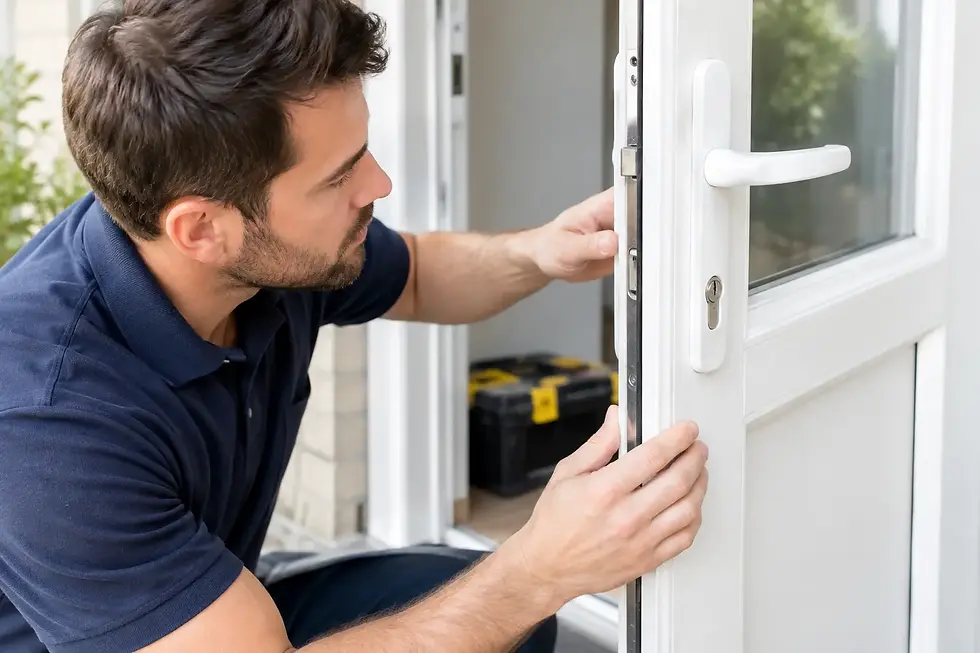
UPVC doors and windows need particular attention. Their multipoint locking systems can fail because of a worn gearbox, broken handle, misalignment or a door that has dropped over time. Bifold doors have their own locking and alignment issues, and forcing them can turn a straightforward repair into a much bigger job. A locksmith who understands these systems can often repair or replace the failed component without replacing the whole door.
Emergency access without unnecessary damage
Being locked out of your own business is stressful, especially when staff or customers are waiting. Non-destructive entry should be the first option wherever possible. The aim is to gain access with minimal disruption, then check why the lock failed so the same problem does not happen again the following morning.
There are occasions where drilling and replacement are unavoidable, such as a severely damaged cylinder or a lock that has been attacked. In those cases, you should be told why this is necessary before work starts. Straight answers matter. A decent locksmith explains the options, the likely cost and what level of security the replacement will provide.
Burglary repairs and securing the weak point
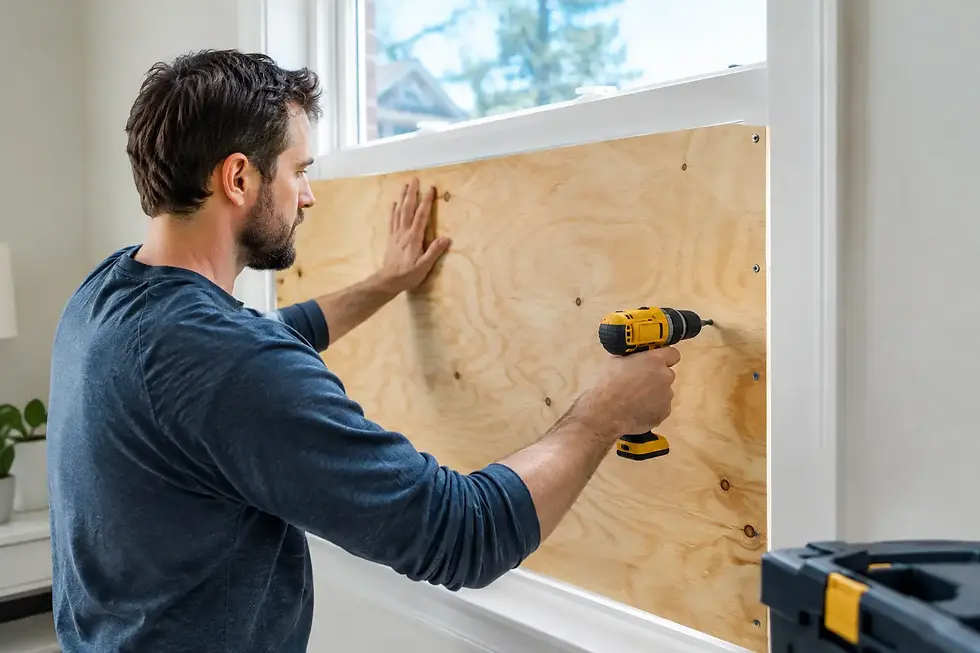
After a break-in or attempted break-in, the first job is to make the premises secure. That might involve replacing a damaged lock, fitting a new cylinder, repairing a split frame, reinforcing a door or making a temporary secure repair until more extensive carpentry can be completed.
It is also the right time to look beyond the obvious damage. If the door was forced because a weak frame, poor fitting or old hardware gave way, simply fitting the same type of lock may leave you in the same position. Practical upgrades can include reinforced strike plates, stronger handles, better cylinders, sash jammers for accessible windows and security improvements to rear or side doors.
Not every property needs the most expensive product on the market. The right level depends on what is kept inside, the area, the door construction, opening hours and whether the entrance is visible from the street. A small office with valuable equipment has different needs from a ground-floor retail unit with frequent public access.
Choosing the right lock for the way you work
Businesses often inherit a mixture of locks and keys, especially in older premises or properties that have changed hands. That can lead to former staff or contractors still having keys, too many keys in circulation, or no clear record of who holds one.
A lock change after a tenancy change, lost keys or staff departure is a sensible precaution. In some cases, a straightforward cylinder change is enough. In others, it may be worth setting up a suited system, where selected keys operate several agreed doors while other keys only work on specific areas. This can make daily access easier without giving every member of staff access to every room.
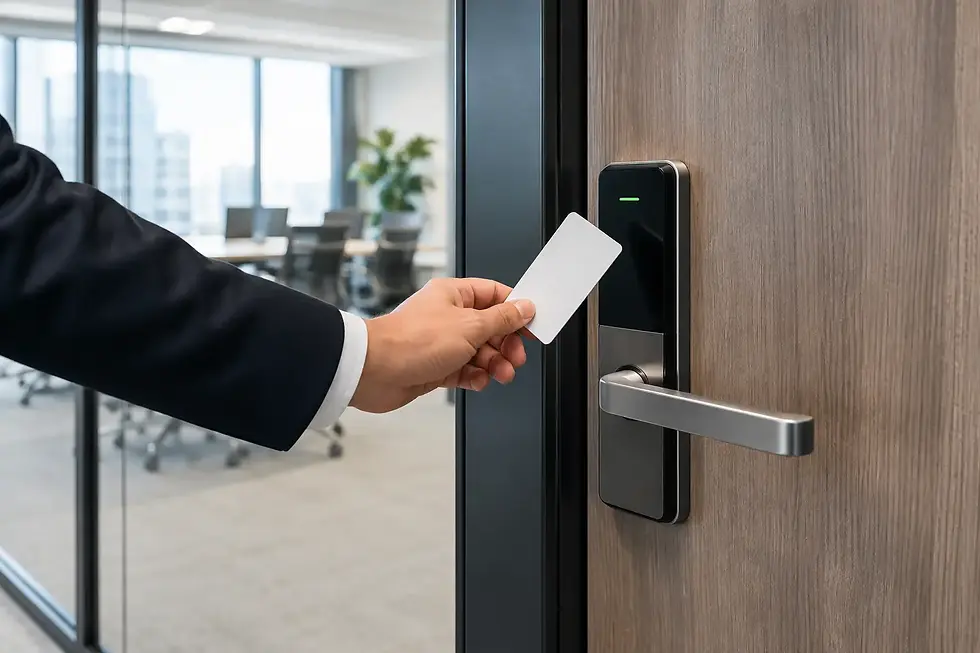
Think about the door before choosing the lock. A high-security cylinder is useful, but it cannot compensate for a badly fitted door, a weak frame or hinges that are pulling loose. Likewise, electronic access can suit a larger office, but it adds another system to maintain. For many small businesses, a well-fitted mechanical lock and sensible key control remain reliable, simple and cost-effective.
Do not ignore doors, frames and windows
Many commercial security problems are really door problems. A lock may feel difficult because the door is catching on the frame. A handle may keep failing because the multipoint mechanism is being operated under strain. A rear door may be secure on paper but still vulnerable because the frame is damaged or the glazing is poorly protected.
This is why on-site carpentry and repair capability is useful. If a locksmith can repair a damaged frame, strengthen a weak section of timber or adjust a door as part of the visit, you avoid being passed from one trade to another while the premises remain at risk.
Windows deserve the same attention, particularly at ground level, by alleys, on flat roofs or at the rear of a property. Faulty UPVC window locks, broken handles and windows that do not close tightly should be dealt with promptly. They affect security, but they can also allow draughts and water in, causing further problems over time.
A simple approach to preventing call-outs
You cannot prevent every lock failure, but regular checks catch many issues early. Ask staff to report a stiff key, loose handle, door that needs lifting to lock, scraping sound or window that no longer shuts cleanly. These are warning signs, not minor annoyances.
Keep a clear record of key holders and collect keys when staff leave. Avoid forcing keys or slamming a door that has started catching. If a door only locks when somebody pulls or pushes it into position, book a repair before the mechanism fails completely.
For landlords, check communal and external doors between tenancies or during routine visits. A worn entrance lock affects every occupier, and a quick repair is usually easier than dealing with an emergency at night.
Clapham Locksmiths works with local businesses and property managers who need practical help, from urgent lockouts to specialist UPVC, window and door repairs. The aim is simple: identify the real fault, secure the property and get you back to work without unnecessary delay.
If a door has become difficult to lock, do not wait for it to fail when you are trying to close up. Getting it checked while it is still working gives you more choice, less disruption and a better chance of keeping your premises secure.
Comments