
Door Security: What Actually Keeps a Door Safe
A front door can look solid and still be the weak point of a property. Good door security is not just about fitting a better lock. It is the lock, the door, the frame, the hinges and the way everything works together. If one part is loose, damaged or poorly fitted, the rest may not give you the protection you expect.
For homeowners, landlords and small businesses, the sensible approach is to fix obvious faults quickly, then improve the areas that genuinely need attention. There is no value in paying for upgrades that do not suit the door or the building. A proper assessment should be practical, clear and based on the condition of what is already there.
Door Security Starts With the Whole Door
People often call after a key has snapped, a lock has become stiff or a door will no longer shut properly. Those are not always separate problems. A misaligned UPVC door, for example, can place pressure on the locking points every time it is closed. Over time, that can make the key difficult to turn and cause the mechanism to fail.
The same applies to timber doors. A decent mortice lock is only as good as the timber around it and the strike plate fixed to the frame. If the frame is split, the keep is loose or screws are short and worn, the lock may be working but the doorway is not as secure as it should be.
Start by checking whether the door closes without lifting, pushing or forcing it. It should sit squarely in the frame, latch cleanly and lock smoothly from both sides. Any change in how it feels is worth dealing with early. A stiff lock rarely improves on its own, and forcing a key can turn a straightforward repair into an emergency callout.
The Main Weak Points to Look For
Most door problems fall into a few familiar areas. You do not need technical knowledge to spot the warning signs.
The lock: A loose cylinder, worn key, sticking mechanism or handle that moves without properly operating the lock needs attention.
The frame and keep: Look for cracking timber, movement around the strike plate, gaps, damaged screws or signs that the door is catching.
The hinges: Externally exposed hinges need suitable security hinges or hinge bolts. Loose screws and hinge-side gaps should also be repaired.
The glazing and panels: Glass close to a handle or lock needs the right type of security glass and sensible locking arrangements. Damaged decorative panels should not be ignored.
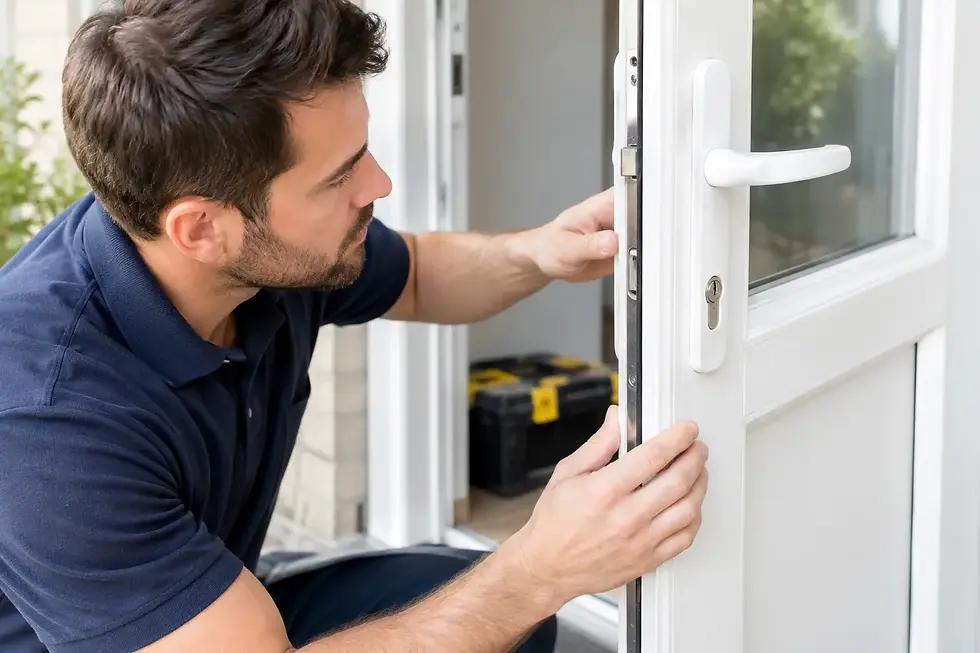
On a composite, UPVC or bifold door, the issue may be hidden inside the multipoint mechanism. A handle that suddenly feels floppy, a key that only turns part way, or locking points that will not engage are signs to stop forcing the door. Specialist repair is often possible, particularly where the door itself is still in good condition.
Locks: Choose the Right Type, Not Just the Highest Price
For many timber front doors, a properly fitted British Standard mortice lock can be a sound choice. Nightlatches can also work well when paired with an appropriate deadlock. The right arrangement depends on the door, how it is used and whether people need to leave quickly in an emergency.
UPVC and composite doors usually use a euro cylinder with a multipoint locking strip. Here, cylinder quality matters, but fitting and door alignment matter just as much. A quality cylinder can still be vulnerable to premature wear if the door has dropped and the hooks or rollers are not engaging correctly.
For communal entrances, rented properties and business premises, key control deserves thought too. If several keys have been handed around over the years, replacing or rekeying the cylinder may be more sensible than continuing with the same arrangement. Landlords should also act promptly after a tenant moves out, particularly where keys may have been copied.
Do Not Ignore the Door Frame
A new lock fitted to a damaged frame is a partial fix. After an attempted break-in, the visible damage may be a bent keep, split timber or a door that no longer sits properly. Leaving it can make the door difficult to lock and may create a repeated weak point.
Timber frames can often be repaired and reinforced rather than replaced. The correct repair depends on how deep the damage goes, the condition of the surrounding timber and whether the door has moved out of alignment. On metal and UPVC frames, the focus is usually on alignment, keeps, locking points and any damage to the fitting points.
This is where a locksmith with door repair experience can save time. The aim is not simply to get the key turning again. It is to make sure the door closes, locks and resists pressure as it should.
Security Upgrades That Usually Make Sense
The best upgrades are the ones that address a real weakness. On a standard front door, that might mean replacing an old cylinder, fitting a suitable mortice lock, repairing a weak frame or adding a door viewer where residents want to check visitors before opening up.
For rear doors and side entrances, consider how the door is used. A door that opens onto an alley, garden or shared access may need extra attention because it is less visible from the street. Hinge security, frame condition and the quality of the lock are usually more useful than decorative add-ons.
Business owners should look at staff access and closing routines as well as physical hardware. A strong door is undermined if keys are unaccounted for, the last person out does not check all locks, or a faulty closer leaves the door unlatched. A clear keyholder plan is simple, but it avoids confusion when there is a staff change or a lock problem out of hours.
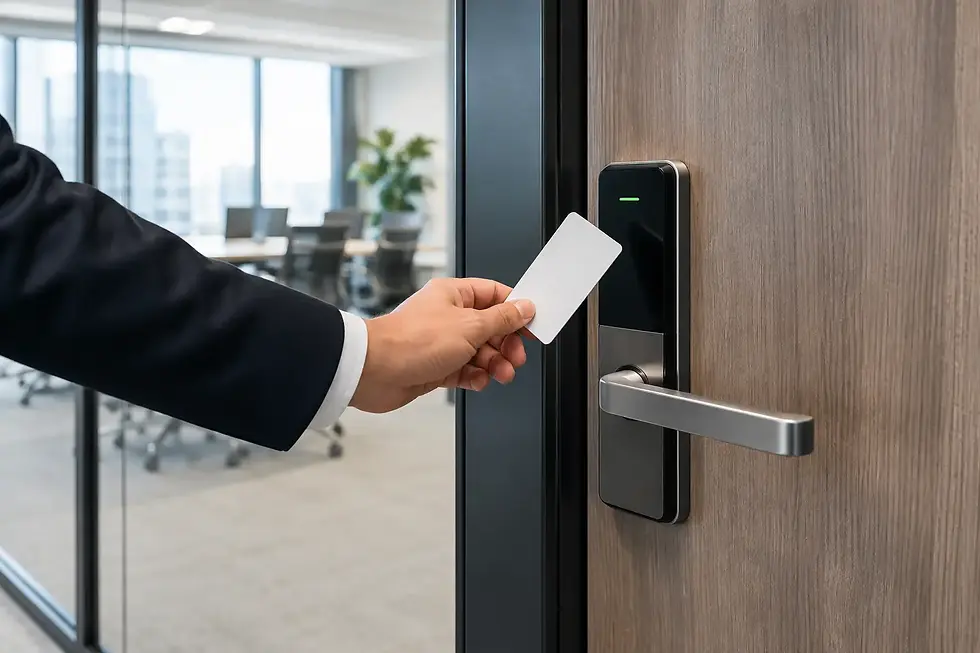
Smart locks can suit some properties, but they are not automatically the best answer. They can be convenient for short lets, offices and households that need controlled access. However, the existing door still needs to be in good order, and there should be a reliable plan for batteries, physical keys and emergency access. Technology should add convenience, not create another point of failure.
When a Repair Cannot Wait
There are times when door security needs immediate action. These include a door that will not lock, a broken cylinder after keys have been lost or stolen, damage following a burglary, a snapped key trapped in the lock, or a UPVC mechanism that has failed with the door shut or open.
If the door is unsecured, avoid leaving it unattended while you look for parts or wait until morning. Do not keep turning a jammed key or repeatedly force the handle. That can damage the internal mechanism and make a non-destructive repair harder.
A fully stocked locksmith vehicle can often deal with the lock, cylinder, handles, keeps and basic door repairs during the same visit. For more substantial frame or carpentry damage, the first priority is making the property secure, then arranging the right permanent repair. That is a more honest approach than promising a cosmetic fix when the frame needs proper work.
A Straightforward Check for Homes and Premises
Take five minutes when you next lock up. Close each external door and check that it latches without force. Turn the key and make sure the lock engages fully. Look at the frame, hinges and handle for movement, cracks or loose fittings. Then think about who has keys and whether all copies are accounted for.
If something feels wrong, deal with it before it becomes a late-night problem. For properties in Clapham and nearby areas, Clapham Locksmiths can assess faulty locks, damaged frames, UPVC doors and other practical security concerns without making the job more complicated than it needs to be.
A secure door should not be difficult to use. It should close cleanly, lock confidently and give you one less thing to worry about when you leave the property or settle in for the night.
Comments