
Smart Door Lock Review for UK Homes and Flats
A smart lock can save you standing outside in the rain hunting for a key, make life easier for cleaners or guests, and let you check whether the door was locked. But a good smart door lock review needs to start with the door itself. The best app in the world will not make a worn cylinder, a loose frame or a sticking multipoint mechanism secure.
For many homes and flats, a smart lock is a sensible convenience upgrade. For others, particularly properties with older UPVC doors, communal entrances or doors that need lifting before they lock, it can create more hassle than it solves. Here is the practical view before you spend your money.
Smart door lock review: what are you actually buying?
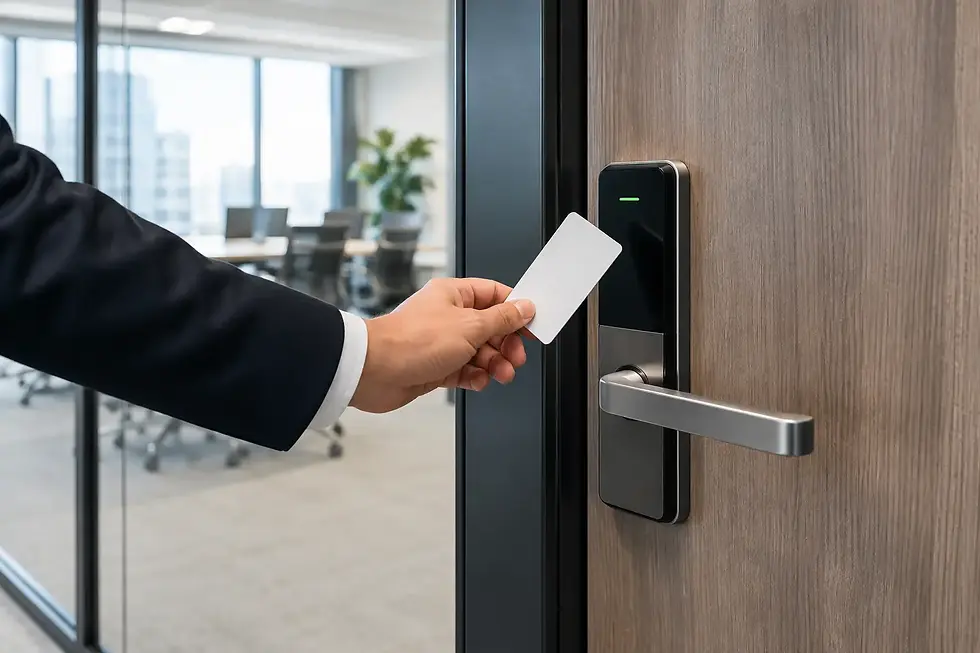
A smart door lock replaces, or works alongside, the way you normally operate your front door. Depending on the model, you may open it with a phone app, keypad code, fob, fingerprint, remote control or a physical key. Most models use batteries and communicate by Bluetooth, Wi-Fi, a hub, or a combination of these.
There are two main types. Retrofit locks fit to the inside of an existing door and turn the key or thumbturn already in place. They are popular with tenants because the outside of the door may remain unchanged. Full replacement locks change the cylinder, handle or complete locking set-up. These can look neater and may offer a keypad or fingerprint reader outside, but fitting needs more care.
Neither type is automatically better. A retrofit unit can be a good option where the existing lock is sound and you need to keep the original external appearance. A replacement lock can be more suitable where the cylinder is old, poorly fitted or does not meet the security standard your insurer expects.
The good points of a smart lock
The everyday benefit is controlled access. Rather than cutting and collecting keys, you can give a time-limited code to a dog walker, tradesperson or holiday-let guest. When that access is no longer needed, delete it. For landlords with regular contractor visits, that can be far simpler than chasing keys around London.
A lock activity log can also be useful, provided you understand its limits. It may show that a code was used or that the lock was operated, but it is not a replacement for proper property security. It cannot tell you whether a door was left on the latch, whether a window was open, or whether someone followed another person into a building.
Smart locks can help people who find keys awkward to use. Keypads and fobs are often easier for children, older relatives or anyone with reduced hand movement. Some systems also allow you to lock the door from bed after checking it is shut properly, which offers real reassurance.
The best systems do not depend entirely on your phone. Look for several ways to gain entry, such as a code, fob and mechanical key override. Phones run flat, Bluetooth can misbehave and Wi-Fi can drop out. Your front door should not become unusable because your router needs resetting.
Where smart locks can disappoint
Battery life is the first concern most people raise. In normal use, good locks provide warnings well before their batteries are exhausted. Still, batteries need replacing on time, and cold weather, frequent use and poor-quality cells can shorten their life. Keep suitable spare batteries in the property, not in a locked shed or car.
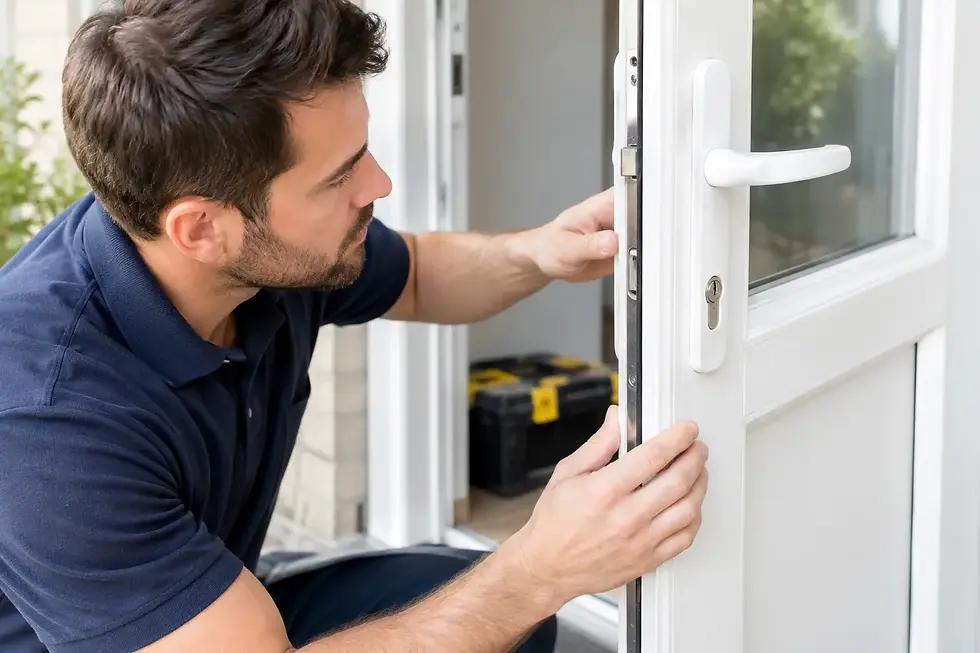
The second issue is installation. Many front doors do not simply lock when you close them. UPVC, composite and bifold doors often use a multipoint mechanism. You lift the handle to engage hooks, rollers or bolts, then turn the key to secure it. A smart lock that only turns a cylinder cannot compensate if the handle has not been lifted.
This matters more than people realise. If the door needs a shove, lift or pull before it locks, the underlying alignment needs attention first. Forcing the handle can damage the gearbox or mechanism, and fitting a motorised device to a struggling lock may make the fault appear sooner. Get the door adjusted and the locking system checked before adding smart technology.
Connectivity is another trade-off. Bluetooth-only locks can be straightforward and private, but you need to be near the door to operate them. Wi-Fi or hub-connected systems offer remote access and alerts, but add another device, another account and more dependence on your home internet. Choose functions you will genuinely use rather than paying for features that sit unused.
Check the door before choosing a model
Before ordering anything, establish what type of door and lock you have. A timber front door with a nightlatch and separate deadlock needs a different approach from a composite door with a euro cylinder. A flat door with a communal entrance brings further restrictions, especially if the building manager controls the access system.
Measure carefully and check the manufacturer’s fitting requirements. On a euro-cylinder door, the cylinder must sit correctly in the handle and not protrude excessively outside. On a timber door, check the condition of the door edge, strike plate and frame. If the frame is split, the keep is loose or the lock is badly worn, replacing only the operating part is not a security upgrade.
For external doors, look at the lock standard and your insurance wording. Many insurers specify a British Standard lock, a suitable euro cylinder, or a particular level of security for the type of door. Some smart products are designed to work with approved cylinders; others replace only the internal turner while leaving your existing cylinder in place. Do not assume an advertised smart feature means the whole door meets your insurer’s requirements.
If you are renting, ask the landlord or managing agent before changing external hardware. Even where a retrofit lock is easy to remove, it may affect fire safety, communal access rules or the requirement to provide a working key. A landlord should also retain a lawful way to access the property when required.
Security is more than the app
A well-made smart lock should use encrypted communication, allow strong account passwords and offer two-factor authentication where available. Change any default code immediately. Avoid simple codes such as a birthday, flat number or 123456, and remove old users promptly.
But digital security is only one part of the job. A thief is more likely to test a weak cylinder, force a poor frame, exploit a badly fitted letterbox or attack a vulnerable rear door than attempt to guess your keypad code. The physical door, lock, hinges and frame remain the first line of defence.
Think about emergency exit too. Everyone inside should be able to leave quickly without needing a phone, code or key. This is particularly important in shared homes, small businesses and properties with children. Any change to a front door should preserve safe escape in an emergency.
Is professional fitting worth it?
Some smart locks are genuinely suitable for competent DIY fitting, especially internal retrofit units. Even then, take your time. The device must turn freely, the door must close correctly, and any key override must work from both sides as intended. Test it repeatedly with the door open and closed before relying on it.
Professional fitting is usually worthwhile when the door has a multipoint lock, a new cylinder is needed, the door is misaligned, or you are unsure about security standards. It is also sensible for commercial premises, where staff access, opening times and fire safety add extra considerations.
A locksmith can check whether the existing mechanism is wearing out, whether the cylinder is the right size and whether the door is secure when locked. At Clapham Locksmiths, this is often the point where a small adjustment or lock upgrade prevents a future lockout or a damaged gearbox. It is better to find that out before a new device is fitted over the top.
Our practical verdict
A smart lock is worth considering if your current door locks smoothly, you want easier access control, and you are prepared to maintain batteries and account settings. Choose a model with a reliable manual backup, clear low-battery warnings and support for the way your door actually locks.
Avoid treating it as a cure for a tired or insecure door. If the key sticks, the handle is stiff, the frame moves or the locking points do not engage cleanly, fix those faults first. A smart lock should add convenience to a properly secured door, not hide a problem that needs repairing.
The right choice is the one that works every day for the people using the property, still lets you get in when technology has a bad moment, and leaves the door stronger than you found it.
Comments