
When Should Locks Be Replaced?
You usually notice a lock problem at the worst possible moment - when you're rushing out, closing up for the night, or standing outside with a key that suddenly will not turn. That is why people often ask when should locks be replaced, because the answer is rarely about age alone. In most cases, it comes down to security, wear, and whether the lock is still doing its job properly.
Some locks can carry on for years with a straightforward repair or adjustment. Others need changing immediately, even if they were fitted fairly recently. The trick is knowing the difference before a stiff key becomes a snapped key, or a worn lock becomes an easy target.
When should locks be replaced after a security risk?
There are a few situations where replacing a lock is the sensible option straight away. If keys have been lost or stolen, you cannot be sure who may have them. That applies whether it is a house key dropped on the high street, a missing set from a tenant, or a staff key that never came back after someone left a job. If there is any doubt about who still has access, changing the lock removes that doubt.
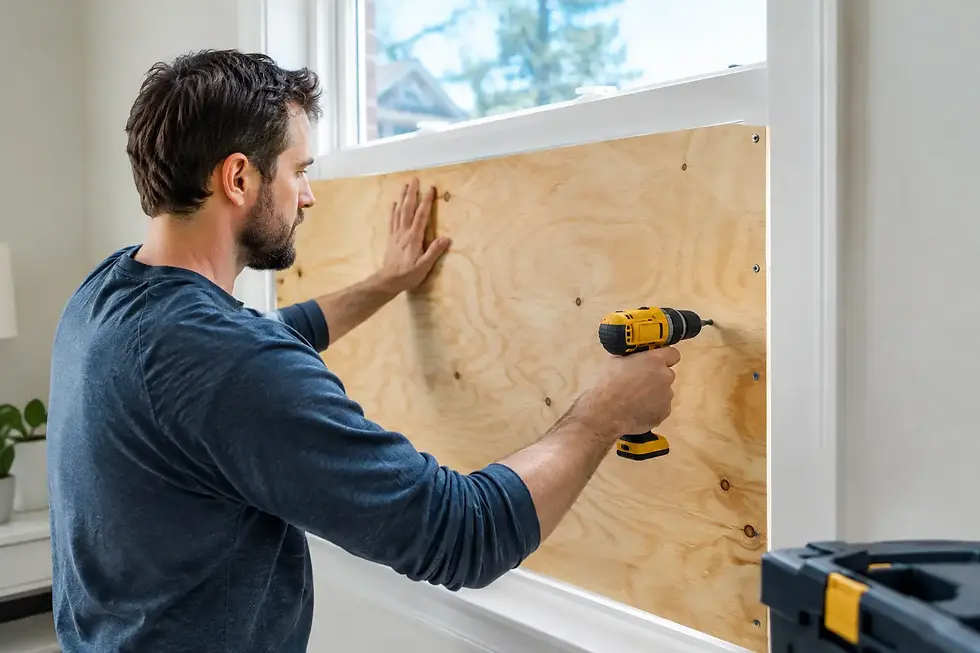
After a burglary or attempted break-in, replacement is often the right call as well. Even if the lock still appears to work, internal damage is common. A cylinder can be weakened, the keep can be bent, and the whole door setup may no longer line up properly. In those cases, keeping the old lock can leave the property more vulnerable than it looks.
Moving into a new property is another common reason. Plenty of people keep the existing locks because they seem fine, but previous owners, tenants, tradespeople or neighbours may still have copies of the keys. A lock change is a small job compared with the peace of mind it brings.
Signs a lock is wearing out
Most lock replacements are not caused by dramatic events. They happen because the lock has been deteriorating for a while and is now unreliable. A key sign is stiffness. If you have to jiggle the key, push the door hard, or try the lock twice before it catches, something is wearing or misaligned.
That does not always mean the lock itself has failed. Sometimes the door has dropped, the frame has shifted, or the mechanism needs adjustment. This is common with timber doors, UPVC doors and bifold systems. But if the internals are worn, the lock will usually keep getting worse, not better.
Another warning sign is a key that does not come out cleanly, a handle that feels loose, or a deadlock that no longer throws smoothly. If the lock feels gritty, catches halfway, or only works from one side, that is not something to leave for later. Locks tend to fail on their own timetable, and it is usually inconvenient.
Rust, visible damage, and wobble around the cylinder are also worth taking seriously. Outdoor and exposed locks take more punishment from weather and regular use. On a shopfront or communal entrance, heavy daily traffic can wear a lock much faster than on a quiet front door.
Repair or replacement?
This is where a proper inspection matters. Not every fault calls for a brand-new lock. If the issue is poor alignment, a sticking gearbox, a tired handle, or movement in the door or frame, a repair can often sort it. A decent locksmith will tell you when a lock can be saved and when it is false economy.
Replacement makes more sense when the lock has become unreliable, parts are failing, or the model is outdated and no longer offers much protection. It also makes sense when replacement parts are hard to source. With some older mechanisms, especially specialist door systems, you can spend money patching up one issue only for another part to fail shortly after.
There is also the cost question. A repair can be cheaper on the day, but if the lock has been playing up for months and is nearing the end of its life, replacing it may save you another callout not long after. That is particularly true for landlords and business owners who need a dependable fix rather than a temporary one.
When should locks be replaced for better security?
Sometimes the lock works, but it still ought to be changed. Older locks are not always up to current standards, and some are simply easier to force, snap or pick than modern versions. If your front door still has a basic cylinder with little resistance to attack, replacing it with a higher-security model is often a sensible upgrade.
This matters most on external doors, rear access doors, and any entrance that is hidden from view. Burglars usually look for the quickest route in. A weak lock on a side gate door, basement entrance or shop rear door can be more attractive than a solid front entrance with better hardware.
Landlords should think about this between tenancies too. Even if there has been no incident, a change of occupant is a natural point to review locks and key control. Small businesses should do the same when staff change, especially if multiple people have had access to stock rooms, offices or cash areas.
Security upgrades are not only about the lock barrel. Sometimes the right answer includes reinforcing the frame, adjusting the door, replacing handles, or improving the strike plate so the whole setup works together. A good lock on a weak frame only solves part of the problem.
Different doors, different answers
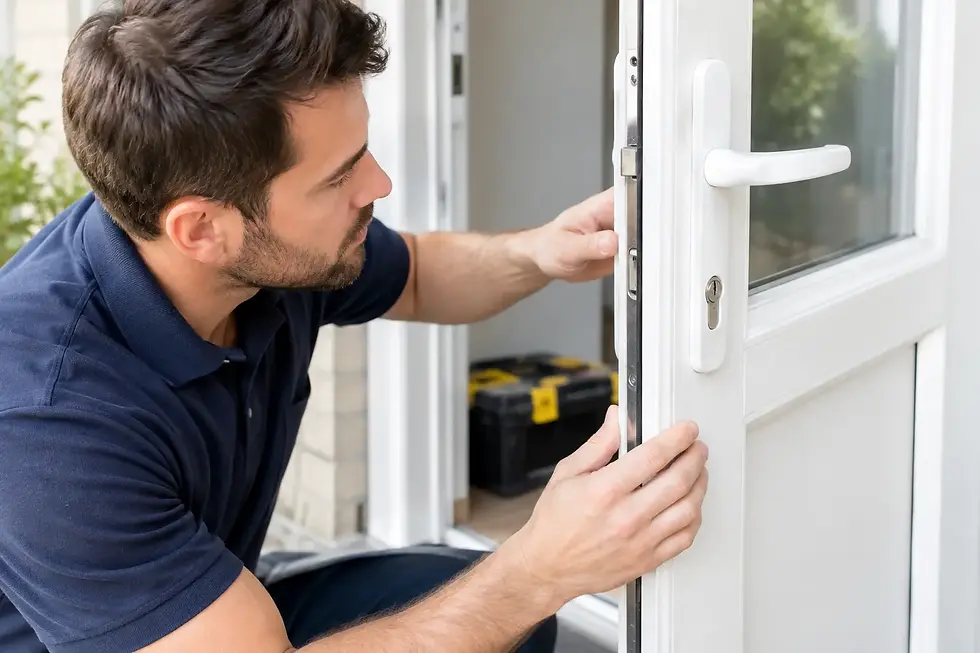
Not all locks wear out in the same way. A standard night latch or mortice lock on a timber door is quite different from a multipoint mechanism on a UPVC or composite door. With UPVC doors in particular, customers often assume the barrel is the problem when the real fault is inside the mechanism or in the alignment of the door.
Bifold doors can be especially awkward. They are brilliant when they are working properly, but once the locking points start misbehaving, it is rarely a job for guesswork. Forcing a stiff key or yanking a stubborn handle can make matters worse. In those cases, replacing the correct part at the right time matters more than swapping bits and hoping for the best.
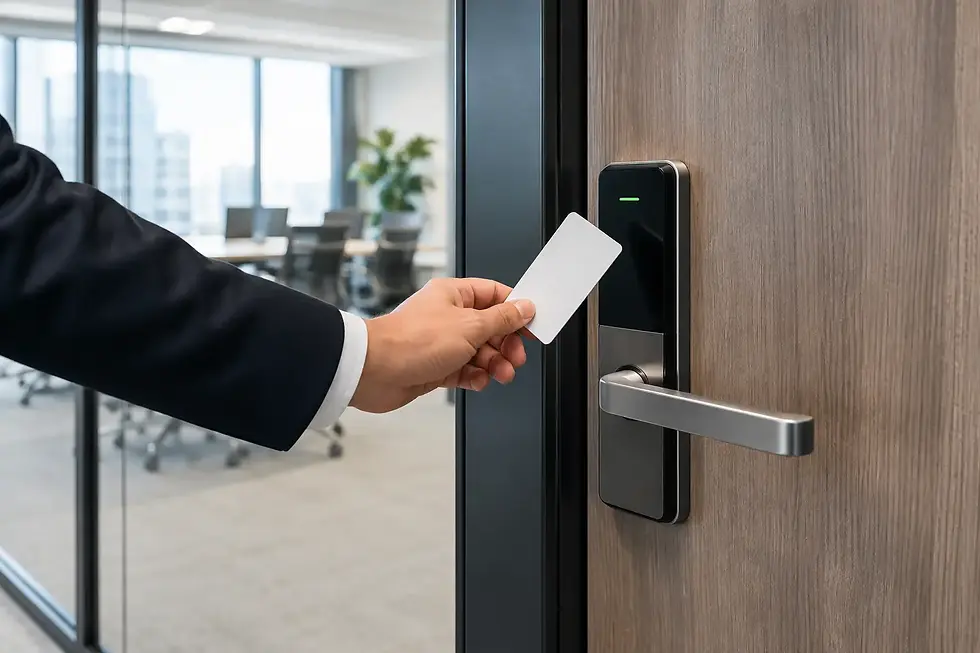
Commercial locks have their own pressures. A busy front entrance, shutter lock or office door may simply wear through constant use. The replacement cycle can be shorter because the usage is heavier, even if the lock quality is good.
How long should a lock last?
There is no fixed number of years that suits every lock. A well-fitted, good-quality lock on a properly aligned door can last a long time. A cheaper lock on a door that sticks every winter may fail much sooner. Usage, weather exposure, fitting quality and the condition of the door all matter.
That is why age on its own is not the best test. A ten-year-old lock that works smoothly and meets the right standard may be fine. A two-year-old lock that has been badly fitted, heavily used or damaged during a break-in may need replacing immediately.
If you are asking the question because the lock has started to feel unreliable, it is worth acting before it fails completely. People often wait until they are locked out, the key snaps, or the door will not secure at all. By that stage, the job is more urgent and sometimes more expensive.
A practical way to decide
If the lock has been compromised, replace it. If keys are unaccounted for, replace it. If there has been a burglary, attempted forced entry, or a change of occupancy, replacement is usually the safest route.
If the lock is sticking, loose, misaligned or temperamental, have it checked before it fails. It may be a repair, it may be a replacement, but leaving it rarely improves things. And if the lock is outdated or weaker than it should be for the property, an upgrade is often worth doing before there is a problem rather than after one.
For homeowners, tenants, landlords and businesses around Clapham, the most useful approach is a simple one: treat a lock like any other working part of the property. If it is no longer secure, no longer reliable, or no longer suited to the job, it is time to change it.
A lock should not be something you think about every day. It should just work, every time, without drama. If it is starting to demand your attention, that is usually the sign to get it sorted properly.
Comments